Adloun Beach: Rock-Cut Salt Pans and Basins, and a Haven for Sea Turtles
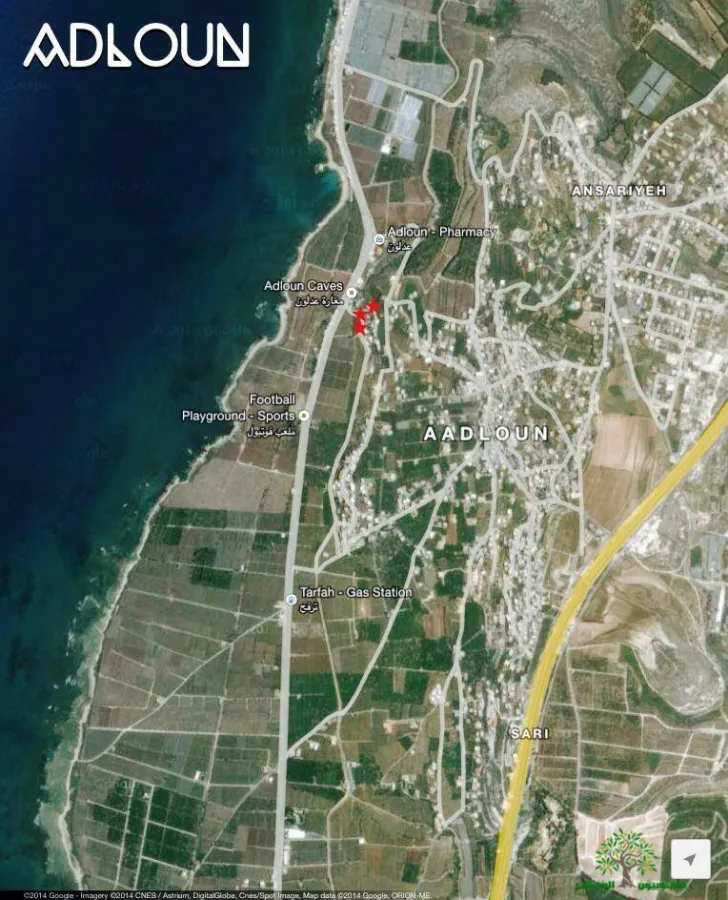
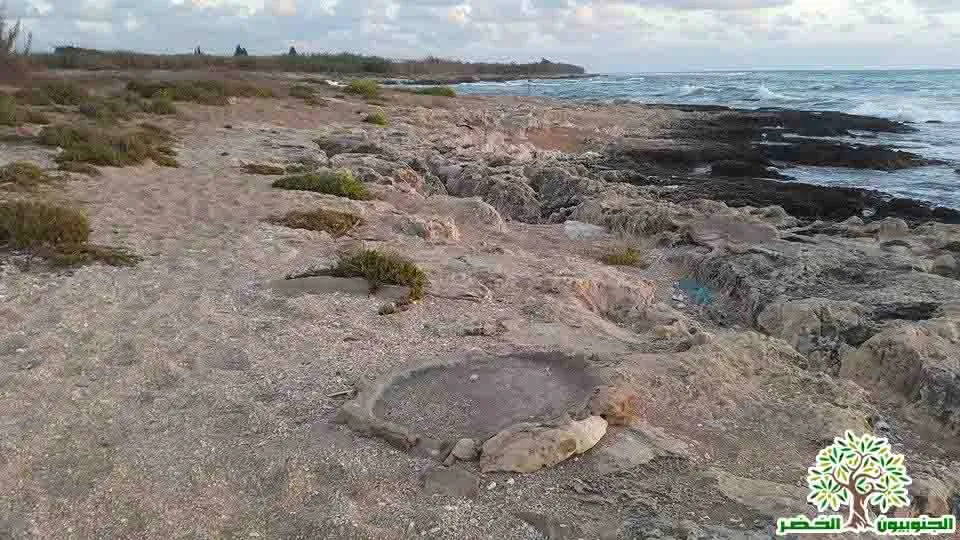
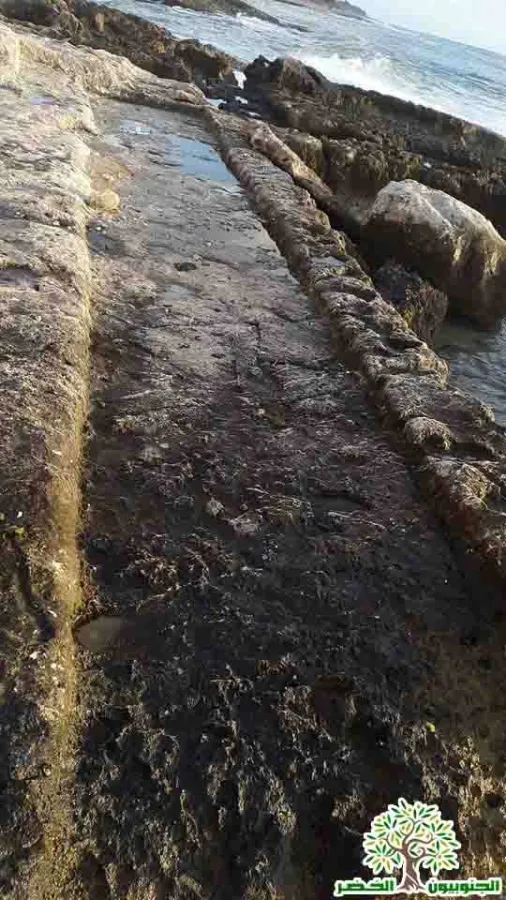
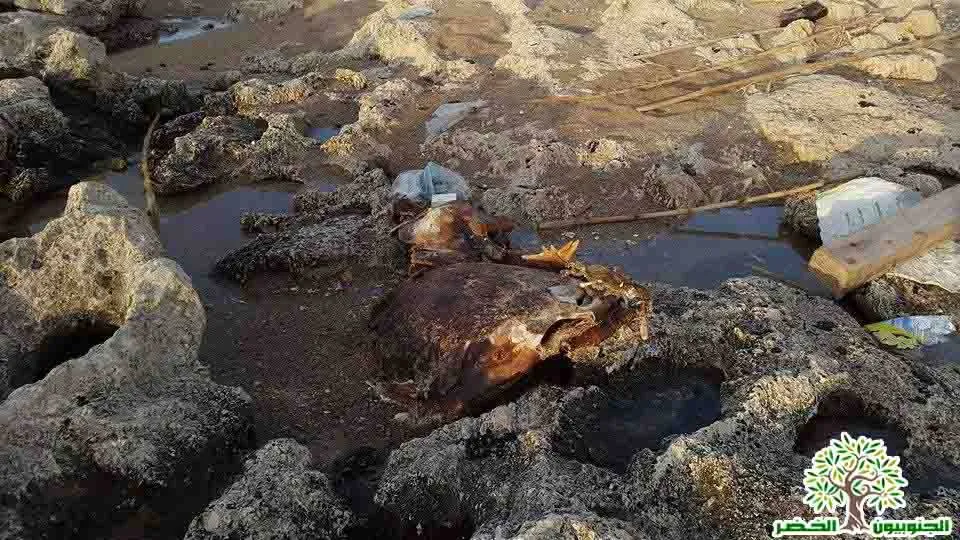
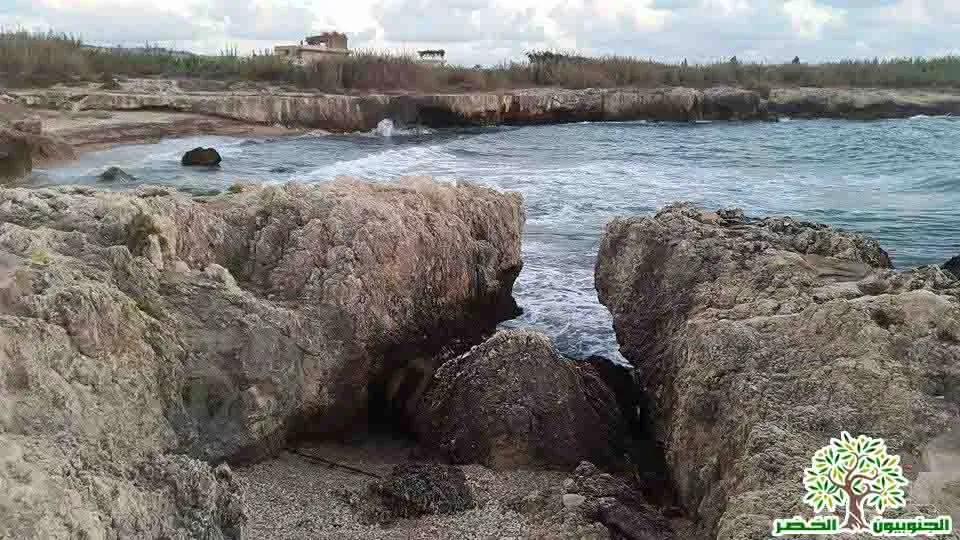
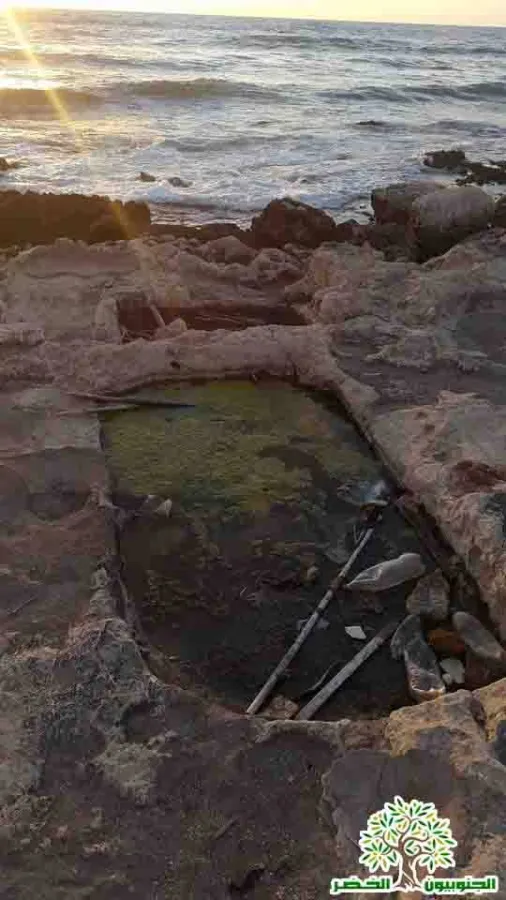
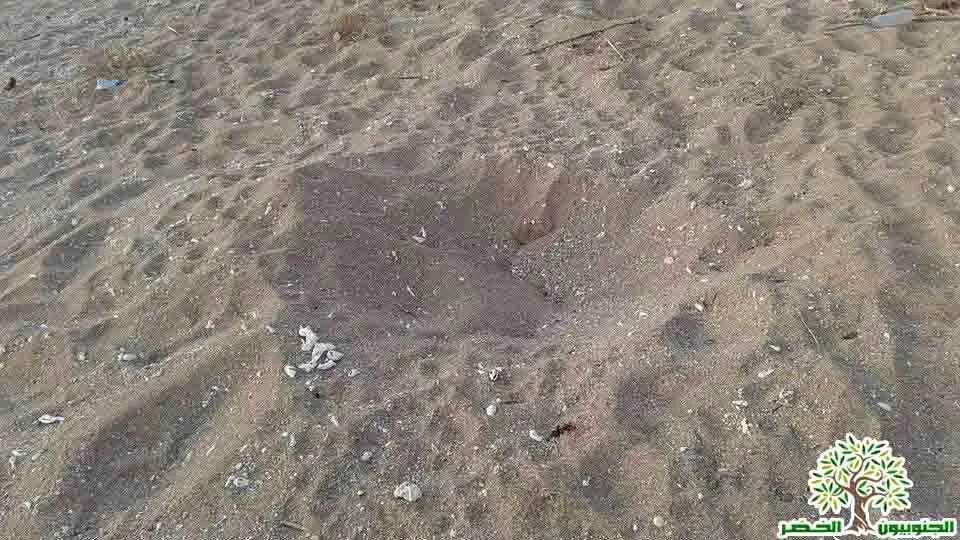
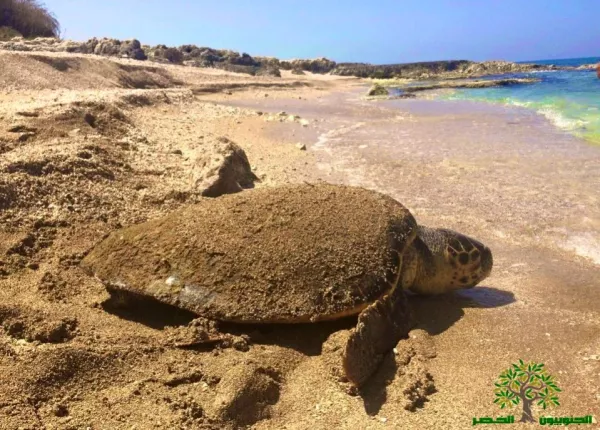
Adloun is one of the oldest and most beautiful towns on the Lebanese coast, both in its formation and its history. Besides being located on a hill overlooking a wide coastal plain stretching to the city of Tyre, it is also one of the oldest continuously inhabited areas in the world, with caves of early humans dating back 70,000 years. Furthermore, Adloun has a rich Phoenician history, with scattered remains throughout the town, including a temple, burial caves, and salt pans along the beach, which are still visited annually by sea turtles.
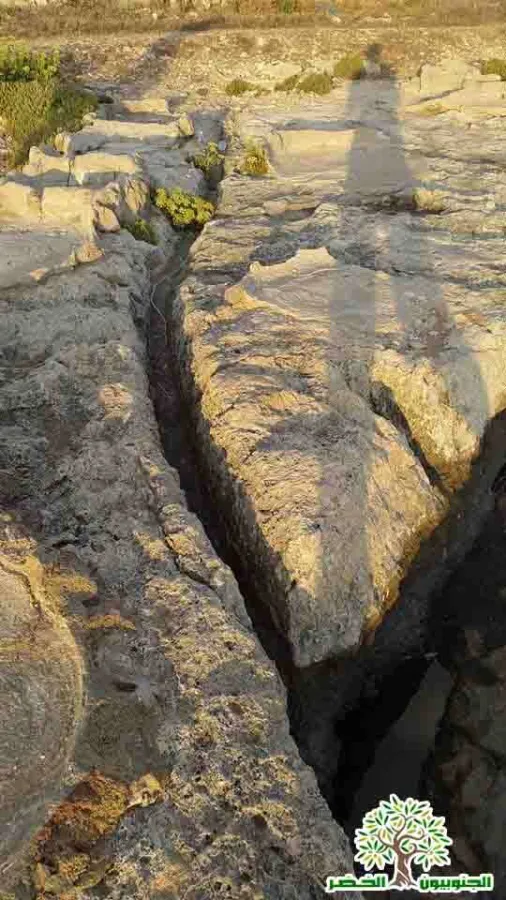
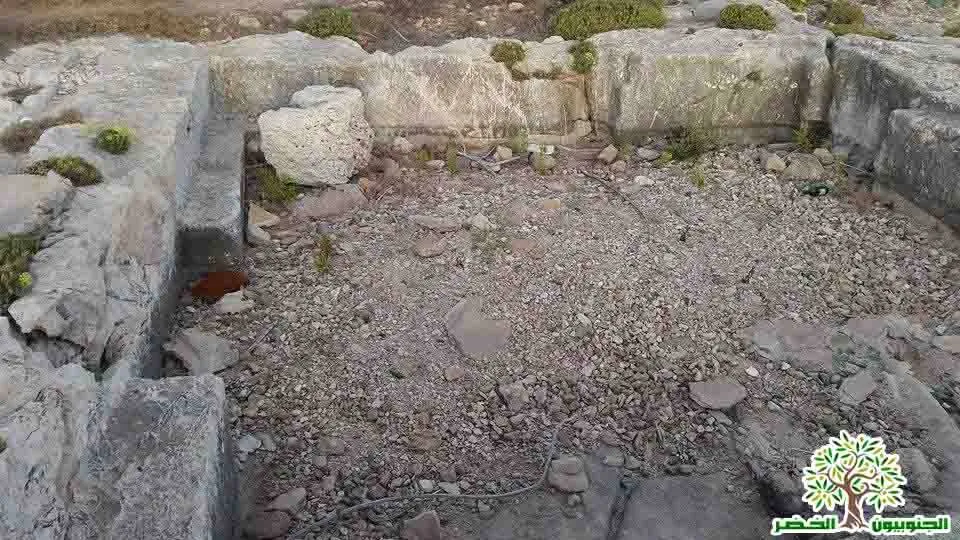
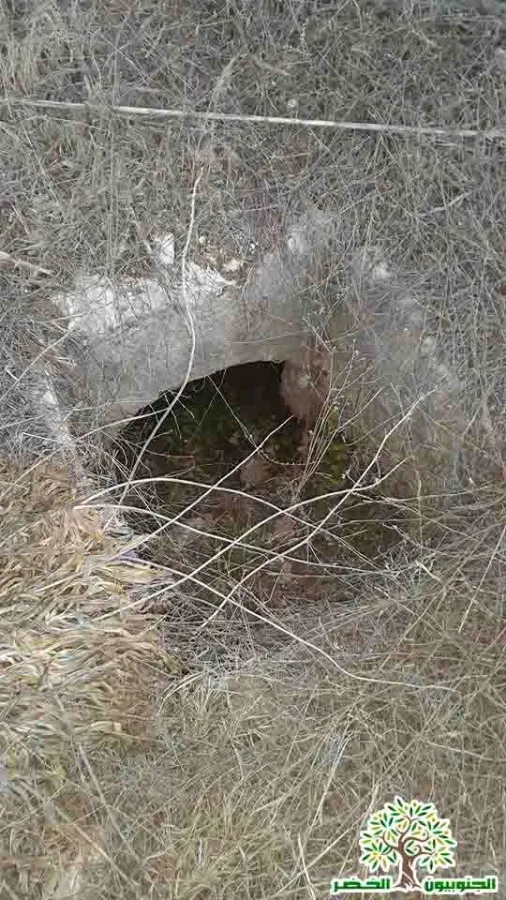
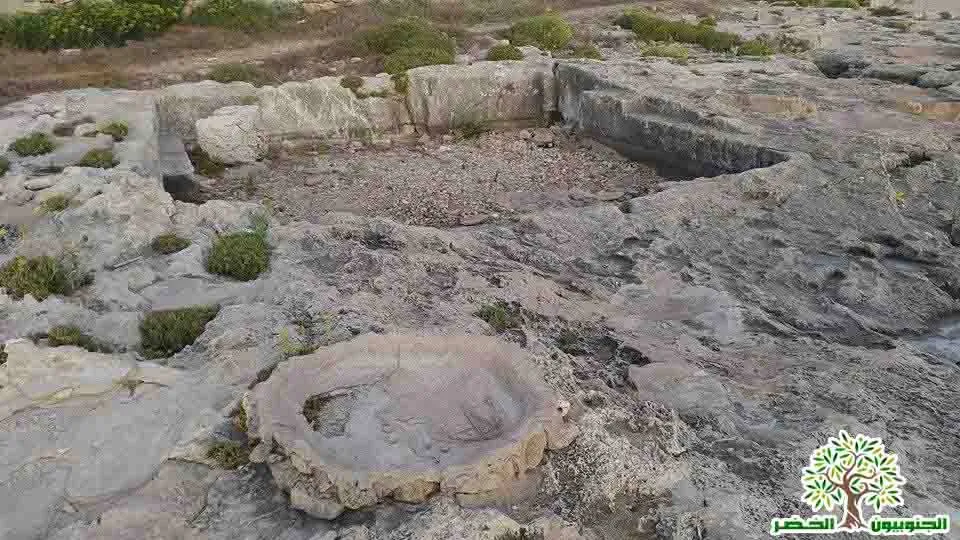
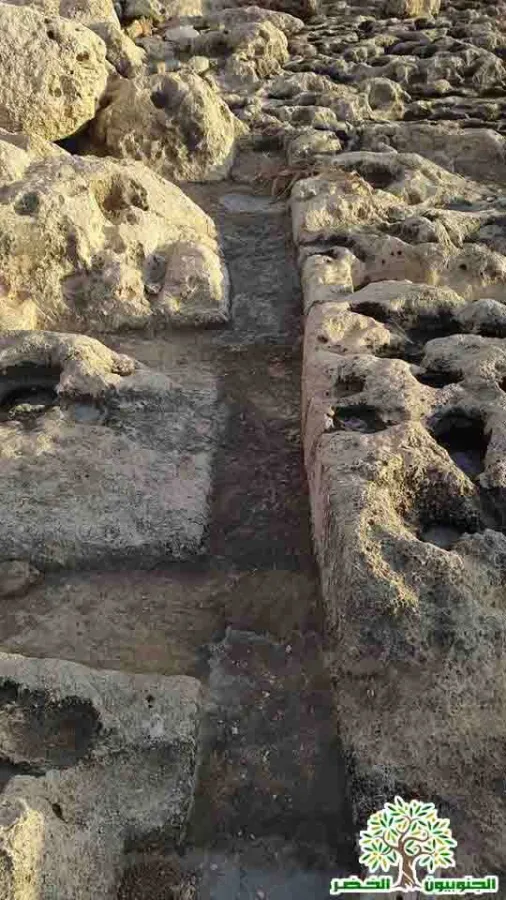
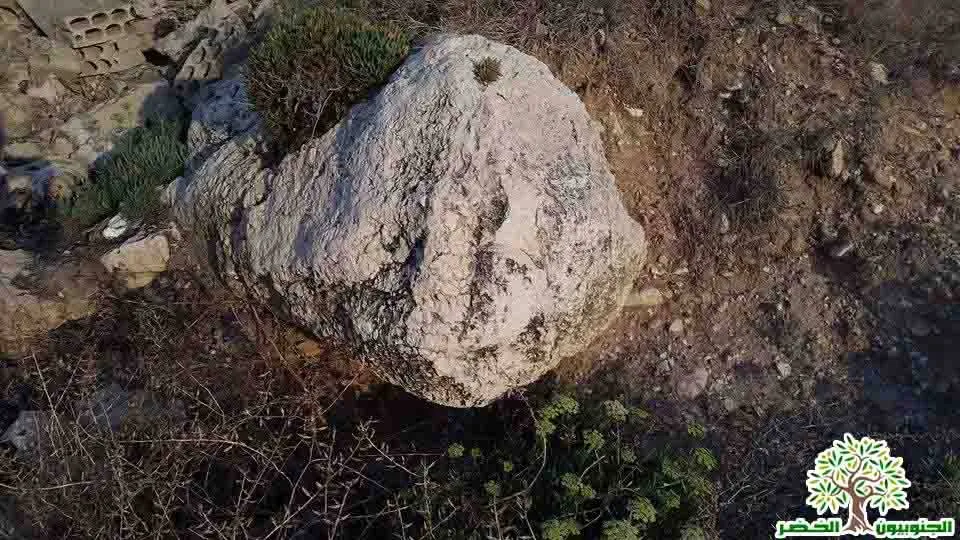
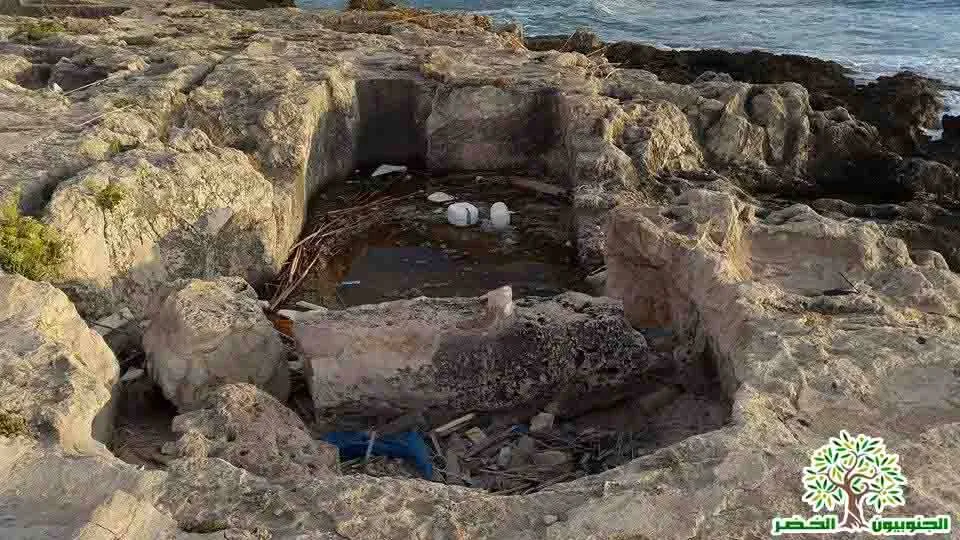
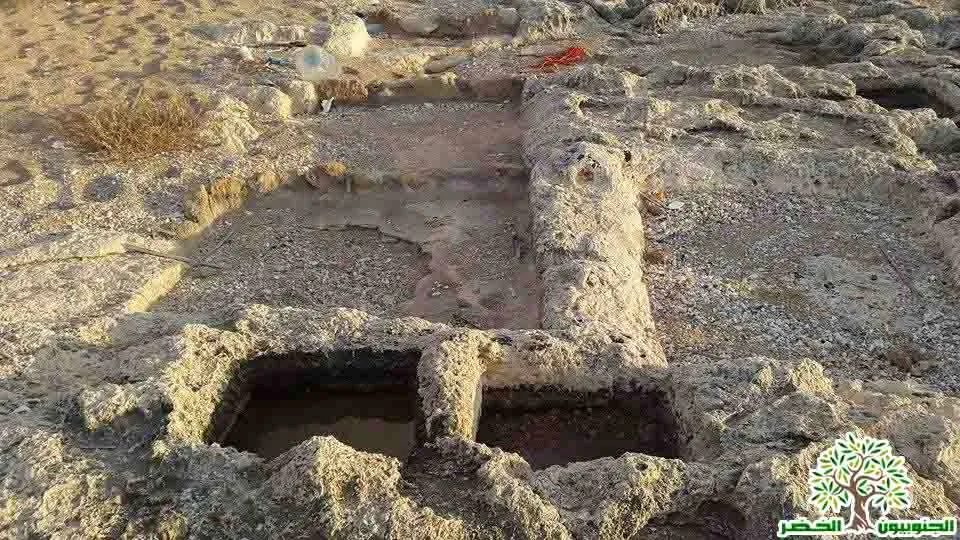
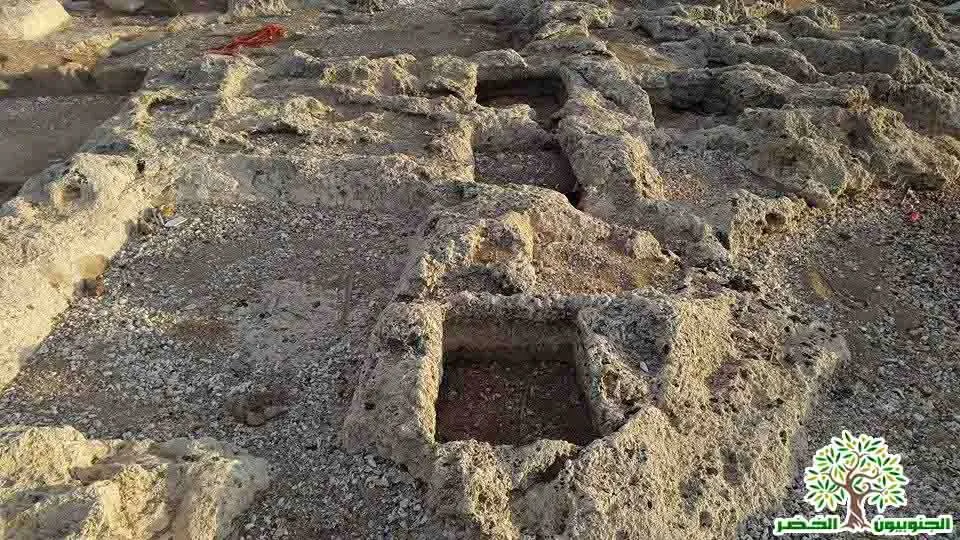
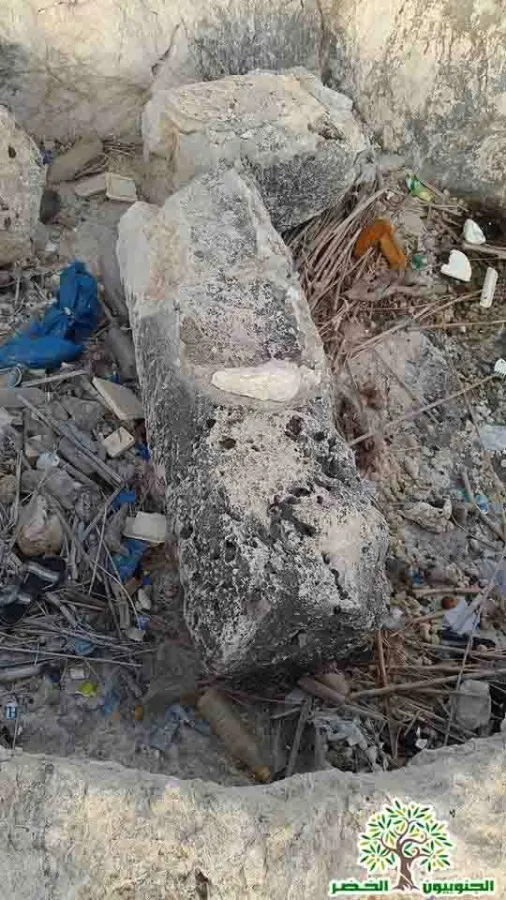
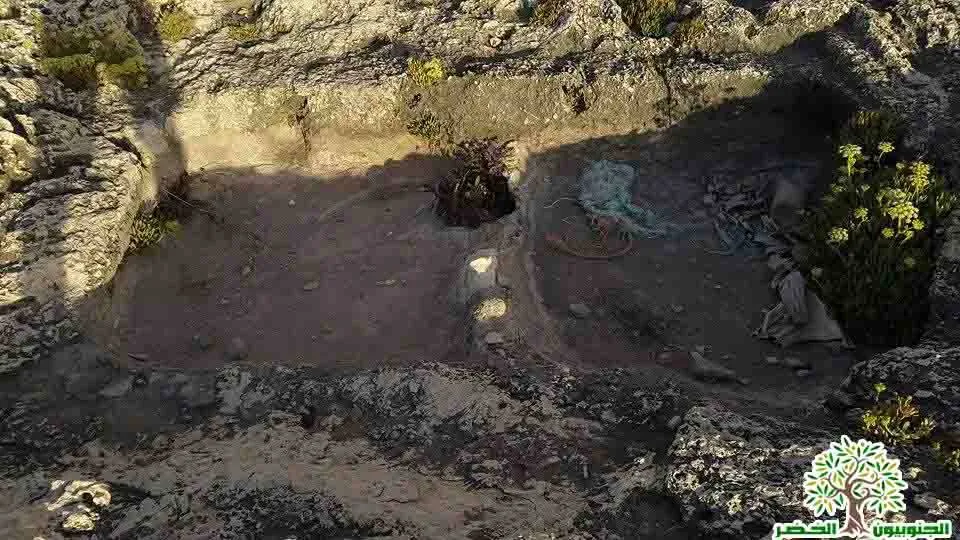
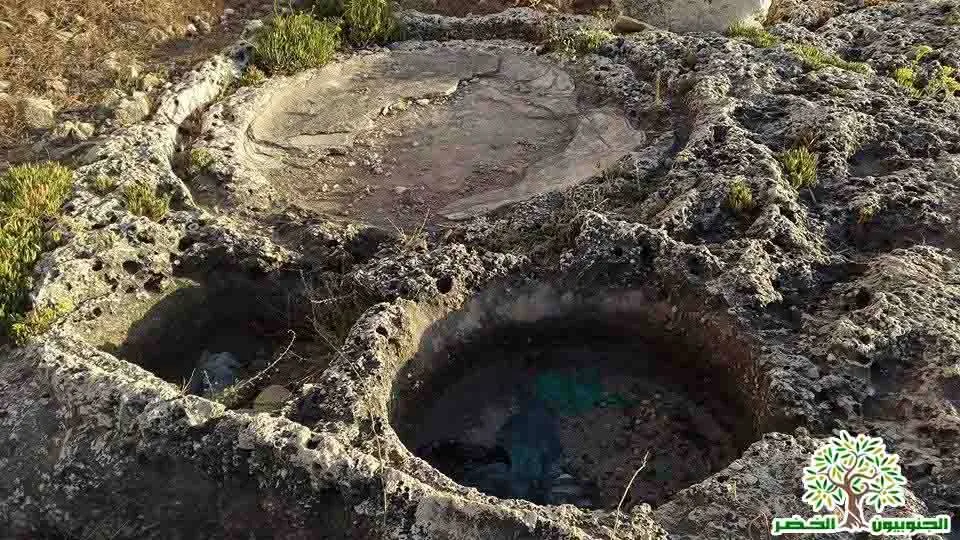
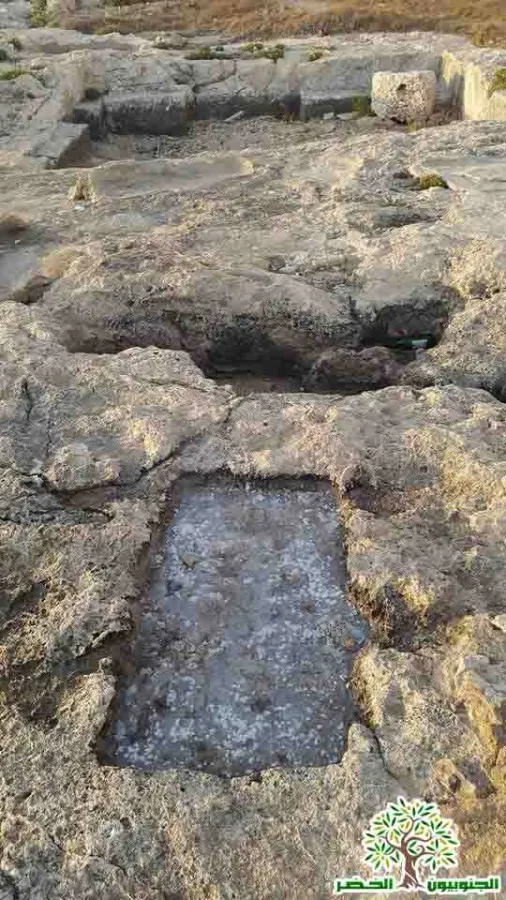
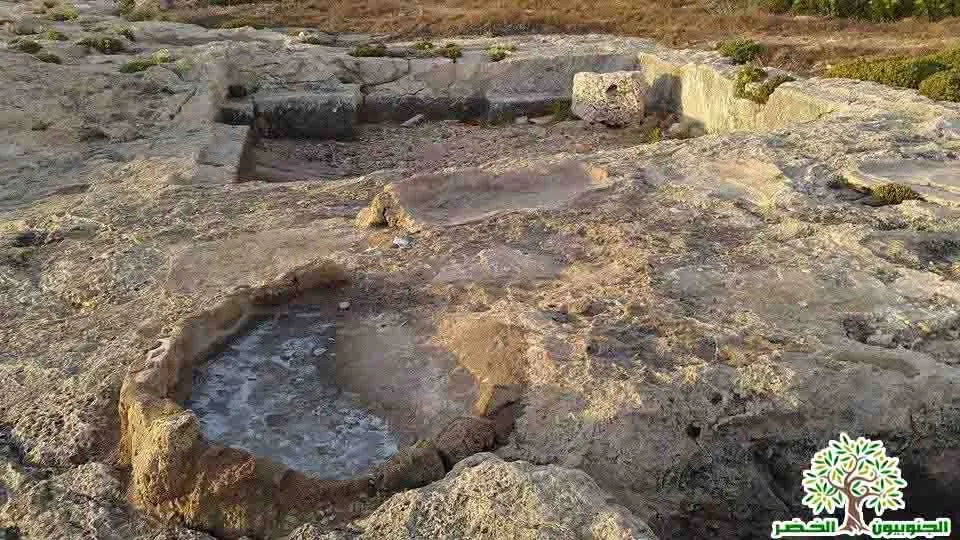
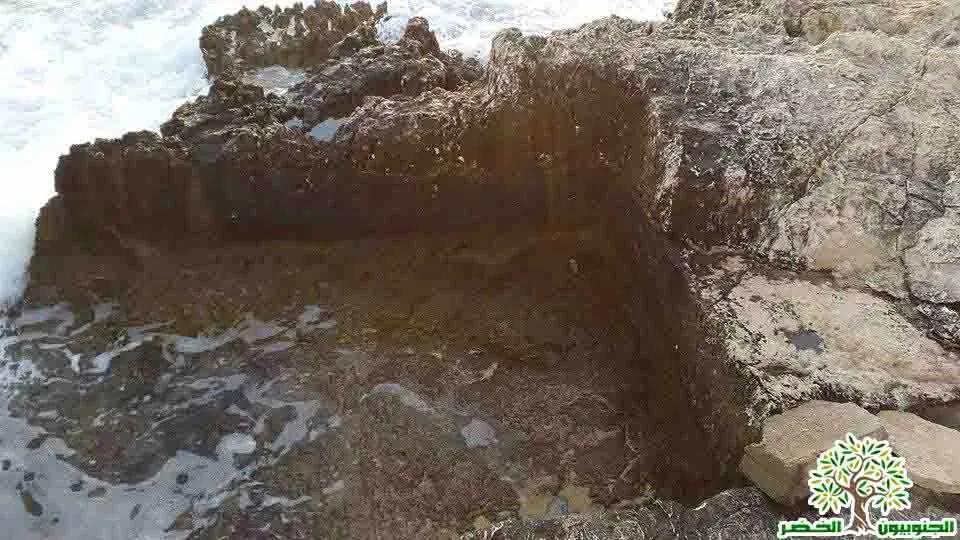
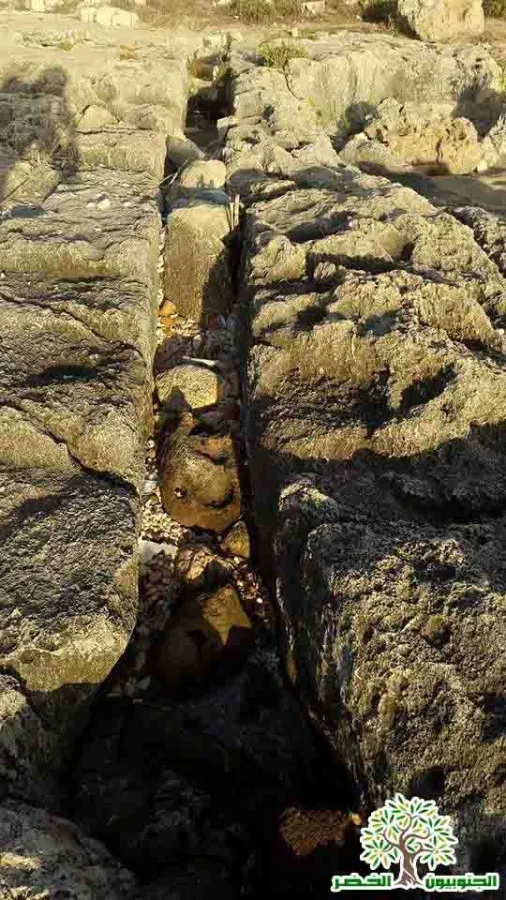
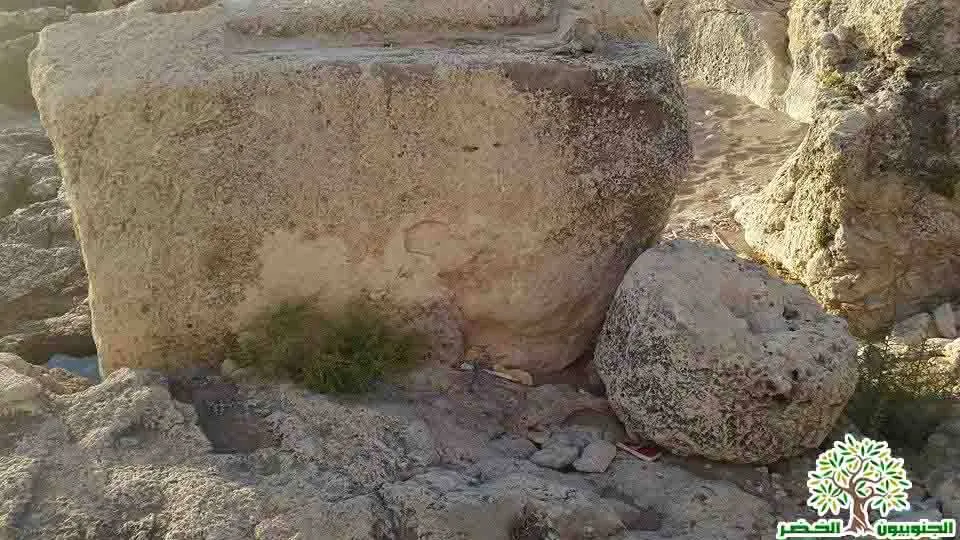
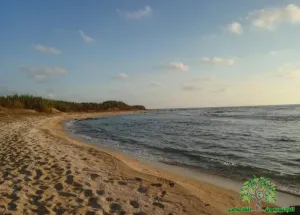
The following images highlight Adloun Beach and its neglected archaeological sites, which are vulnerable to encroachment and illegal construction. These sites shed light on the town’s history and surroundings, while the accompanying investigation documents local narratives and the names of historical locations as preserved by the town’s residents.
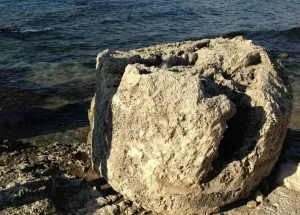
One of the images shows a large basin (jar) that in the past served as a dwelling or as part of homes of the early inhabitants of Adloun. This basin, known as “Al-Haqna”, was where saltwater was transferred for evaporation over approximately one week. The concentrated water was then poured into smaller basins as a final step to obtain salt. The produced salt was used domestically, and any surplus was sold or bartered for other goods. A common barter occurred between Adloun and Saksakiyeh, which produced abundant figs. Figs from Saksakiyeh were often exchanged for salt in Adloun following this practice.
The area stretching from the port (Fishermen’s Port / Al-Mina) to the region now known as Al-Zira (the Island) and eastward was historically called Al-Awasel. It is said that this area housed the town or city at the time, and that its ruler or king was named Loun. Legend has it that whenever he returned from his travels via the port, the residents would cheer, calling out, “Loun has returned! Loun has returned!” Over time, the area’s name evolved into Adloun.
Among Adloun’s current landmarks is the wall separating the orchards from the sea, which can be considered the “Adloun Wall.” Its purpose was to protect crops—such as bananas, vegetables, and citrus—from the salty sea wind.
The images also show several tunnels or conduits near the Sayyadeh Cave, extending eastward along the road leading to Adloun Stadium (Al-Mahatta), named after the train station that once connected southern Palestine and northern cities like Sidon, Beirut, and Tripoli. Local residents document the existence of many water wells along this road, estimated between 10 to 15 wells, noting that they are historical artifacts. During excavation and land preparation for agriculture, numerous archaeological finds were uncovered, including coins, bracelets, vessels, and jewelry. Among the most notable finds was a gold figurine of a queen, approximately 20 centimeters in height. Locals refer to coins from the area as “Sahtout.”
Photos and investigation by: Abdallah Tahan




Related Posts
-
 Nature Reserves
 -
 Nature Reserves
 -
-large.webp) Nature Reserves
Nature Reserves