Adloun and the Phoenician Ports
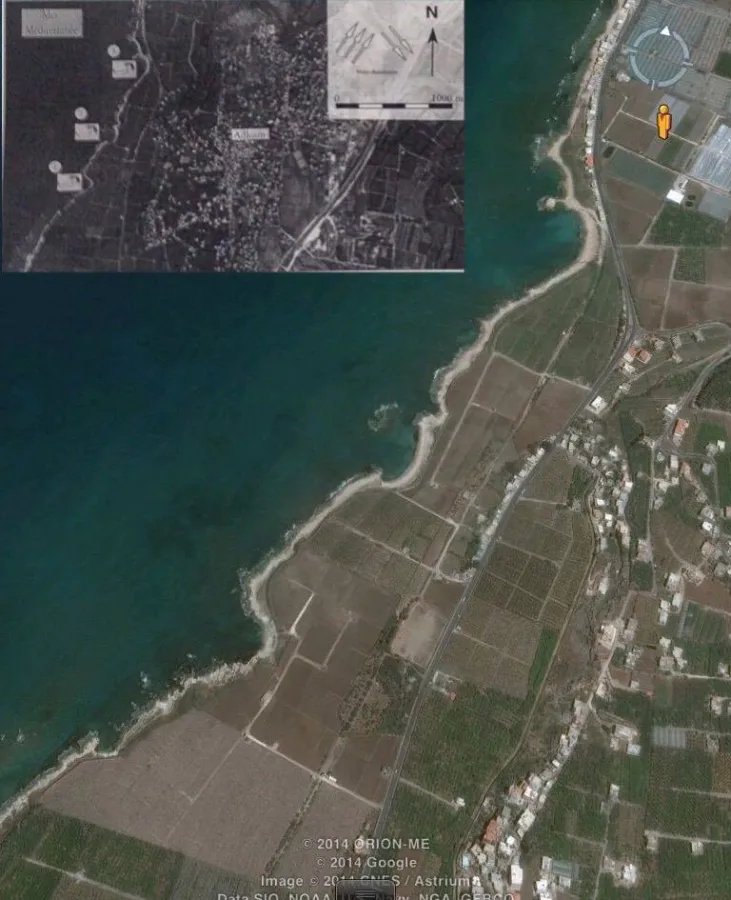
Studies have confirmed the existence of more than one port dating back to the Phoenician and Roman periods along the coast stretching from Sarafand to Adloun—specifically, three ports: one in historical Sarafand (Sarbta), another in Khezrane, and a third in Adloun.
Notably, the Phoenician port of Adloun, according to Professor Nicolas Carayon, had a particularly wide layout—possibly the largest among them—with three heads and separated basins, making it effectively three small ports (as shown on the map published in his study on Phoenician ports). The study, published in the journal Archaeology and History in Lebanon (Spring 2012–2013), indicates that these ports were adjacent yet part of a single large archaeological site, as confirmed by specialists who examined the site at the invitation of the Green Southerners organisation in December.
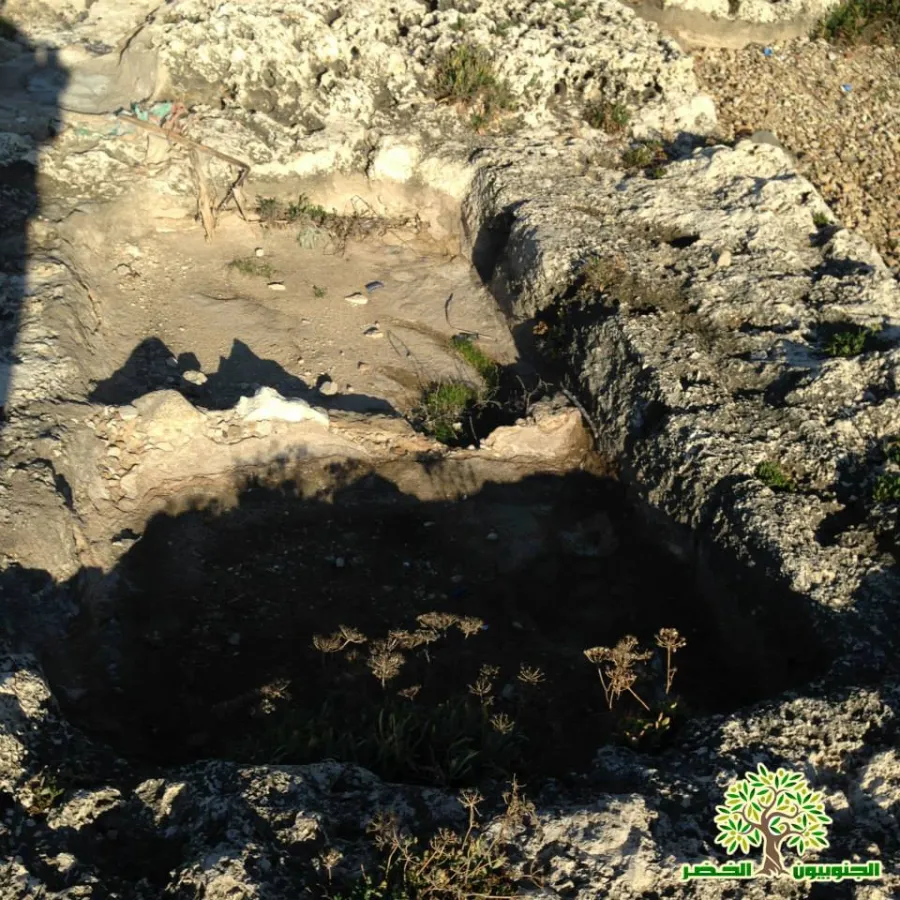
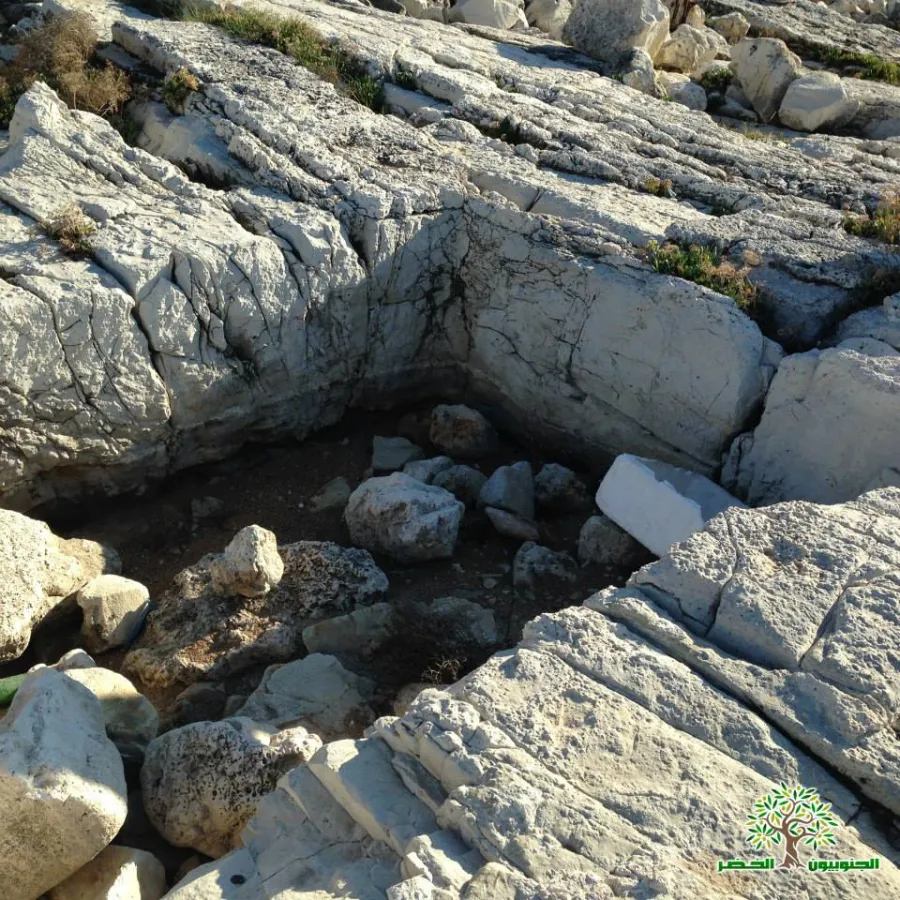
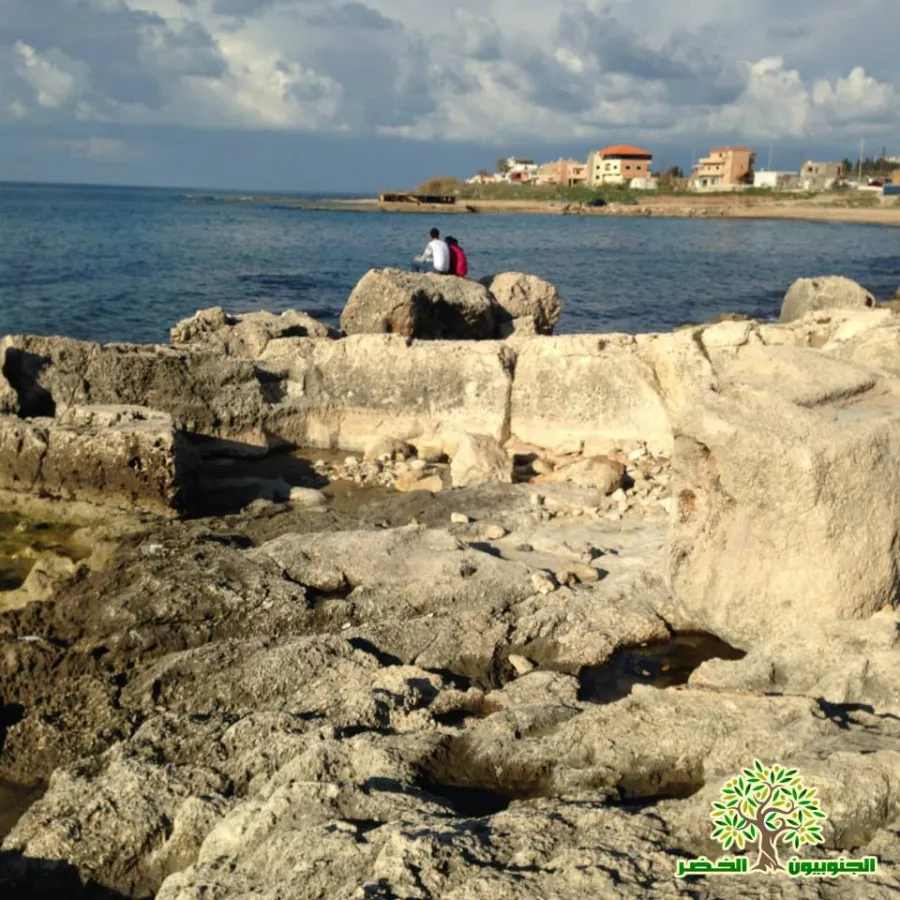
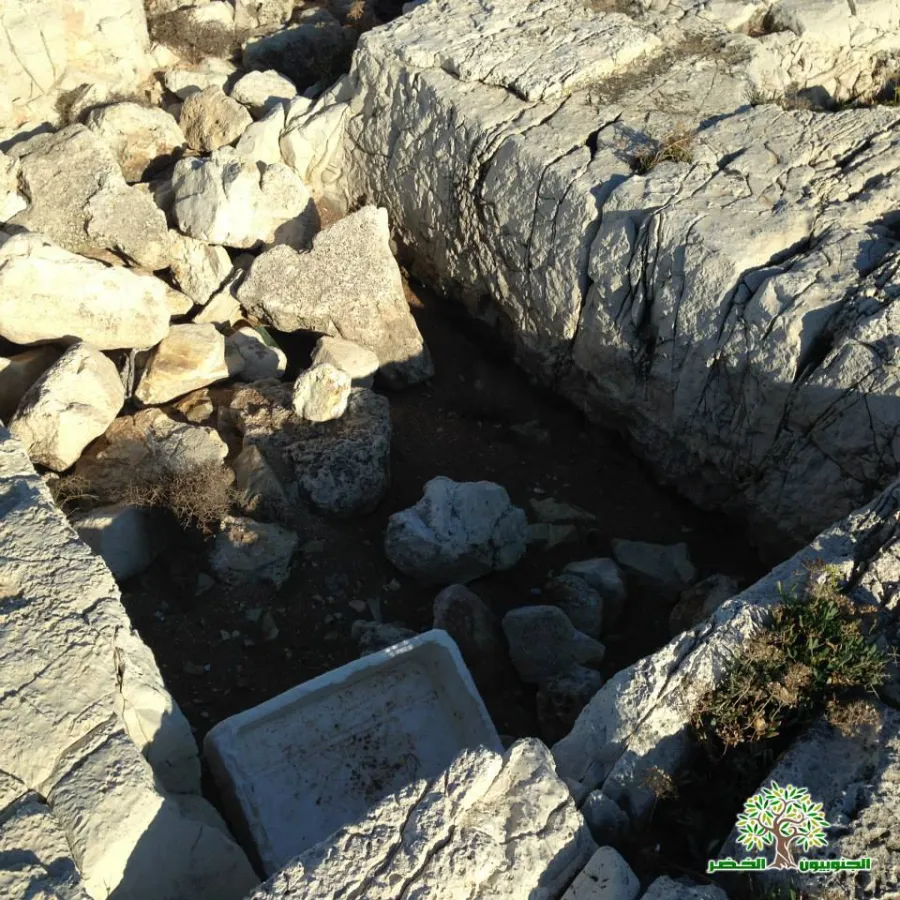
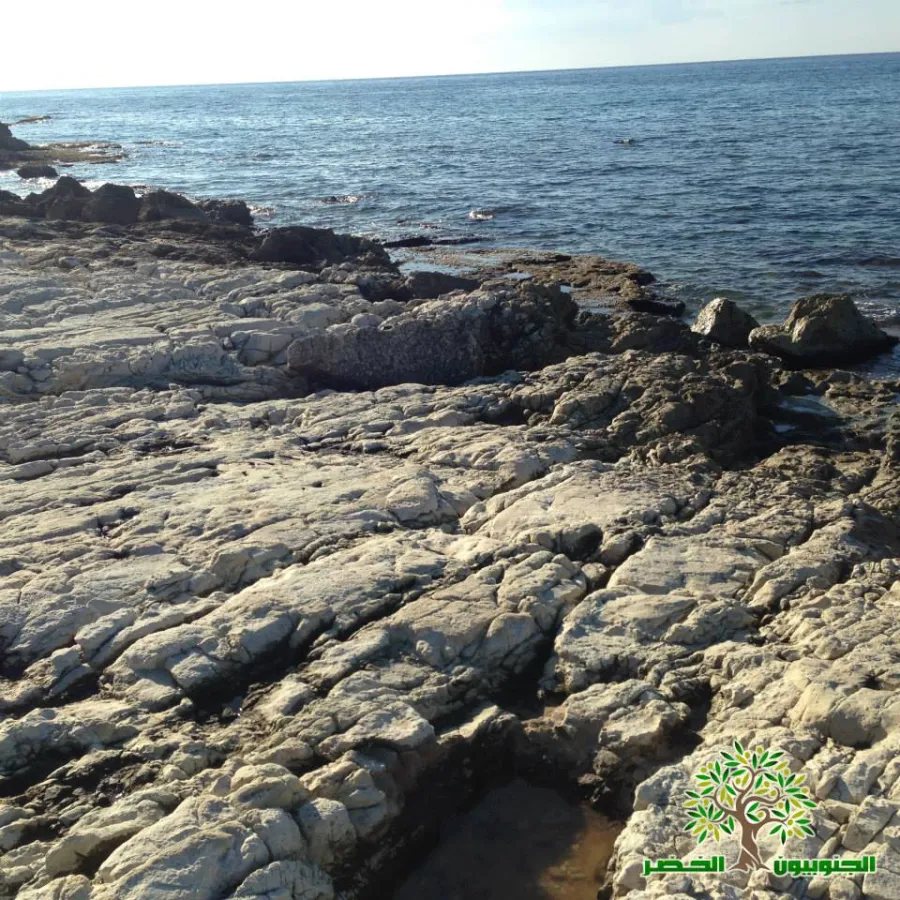
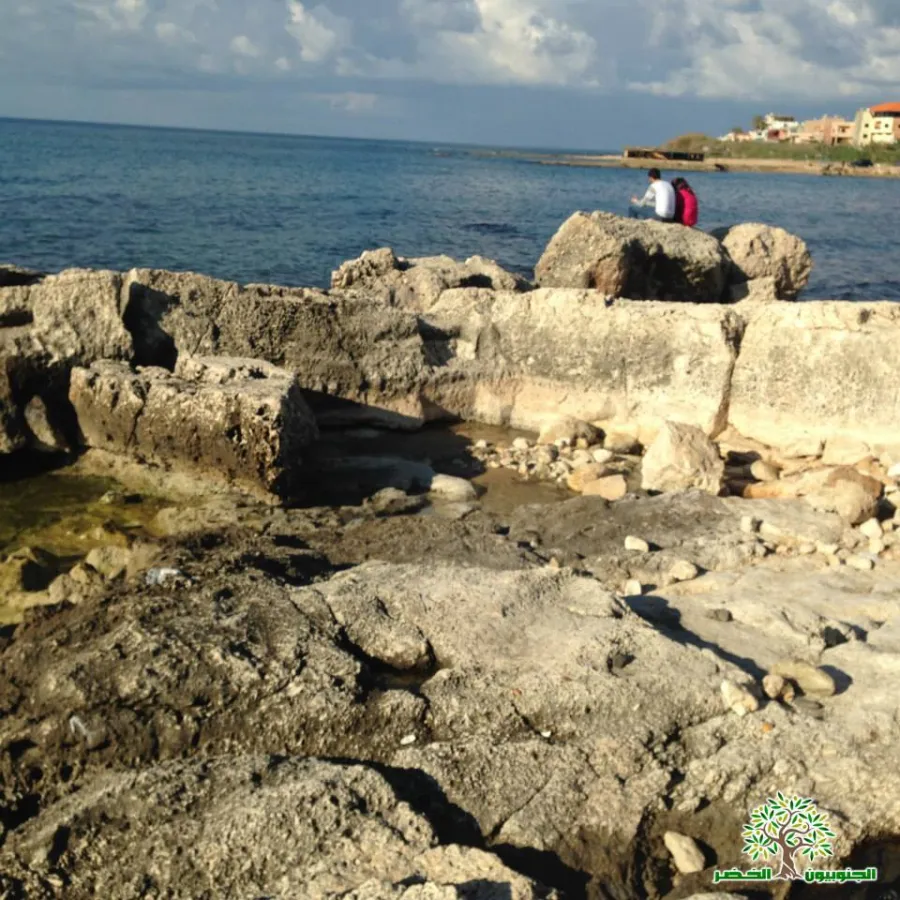
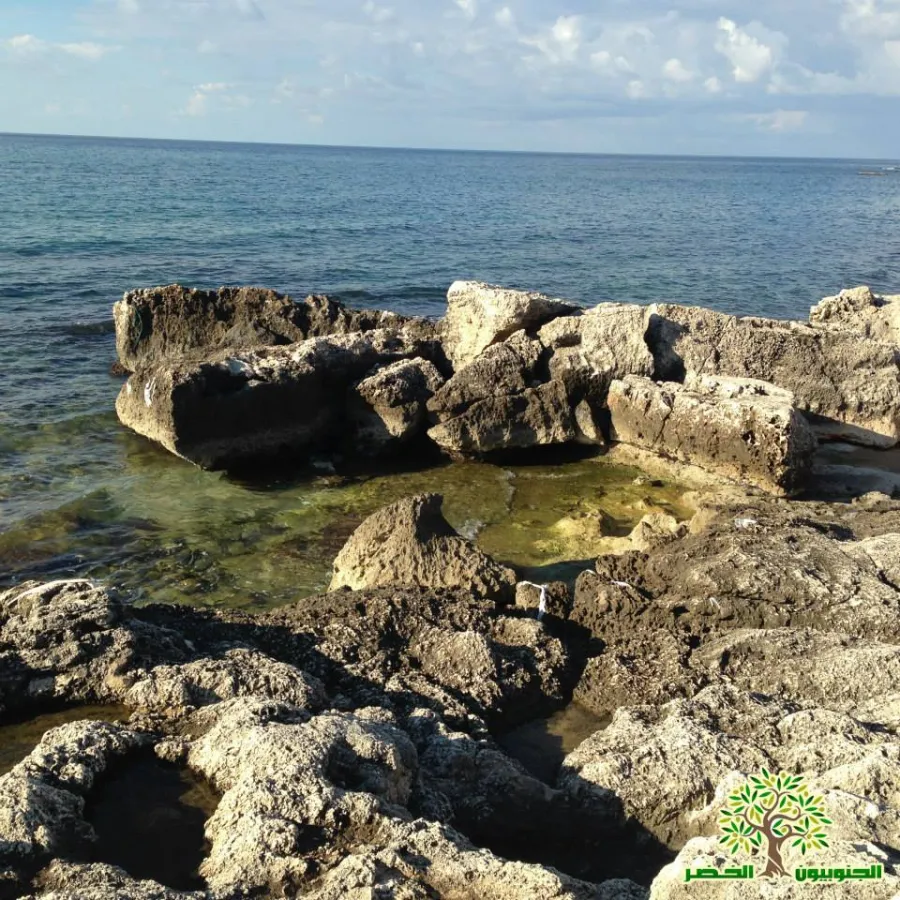
This explains the interwoven remains of fishing rooms and boat repair/production areas, indicated by clearly visible rocky terraces. According to one expert, some of these rooms may have been workshops for processing murex shells to extract the purple dye, a common practice in that era.
Experts, including Carayon—a French researcher and university lecturer in the UK, with whom the Green Southerners communicated personally—agree that studies on these sites remain limited. Most specialists believe further research and excavations are necessary to better understand this period, shed light on the history of the Lebanese coast and the broader eastern Mediterranean, and clarify the role of these urban centers, particularly Adloun, about the larger cities of Sidon and Tyre and Phoenician settlements in Cyprus and other Mediterranean coasts.
Such excavations and research could illuminate Adloun’s historical role, revealing the uniqueness of the site, its society, political, economic, and social life, and its connections to regional trade networks.
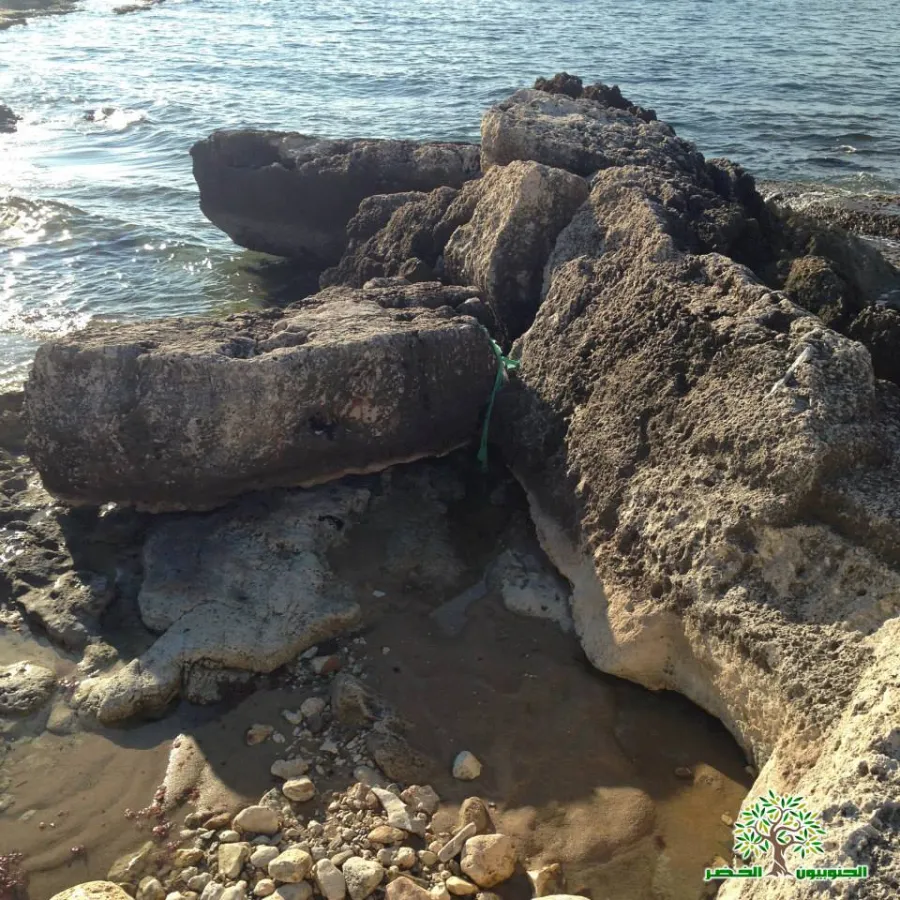
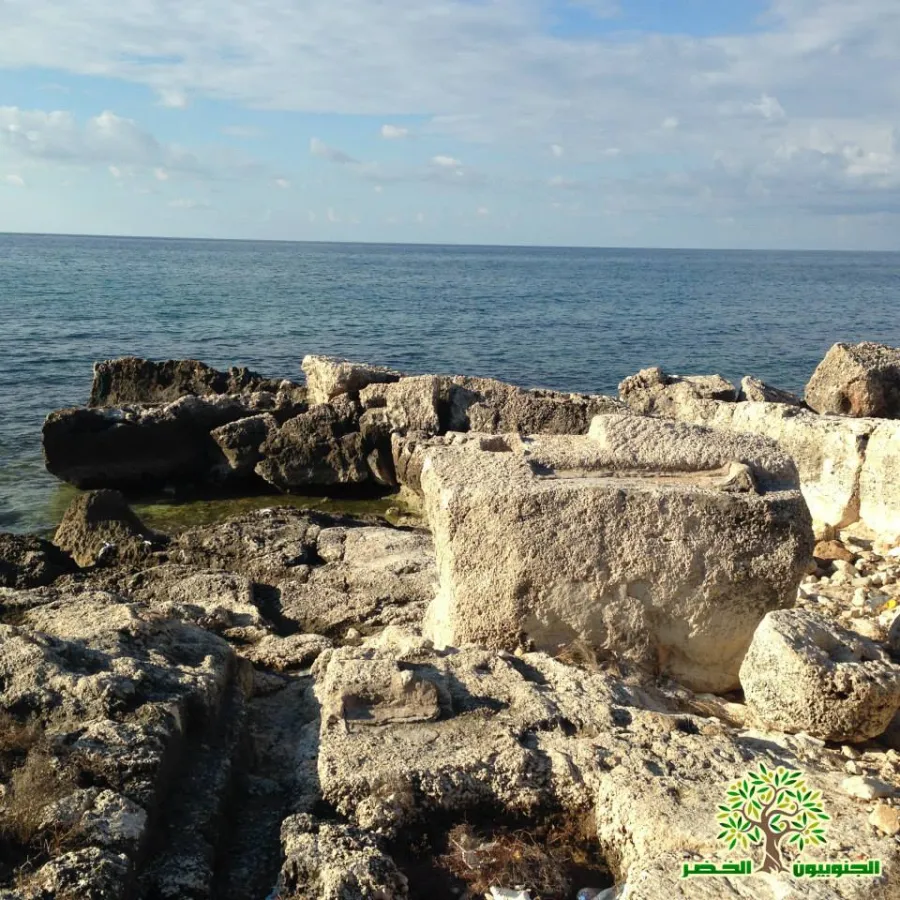
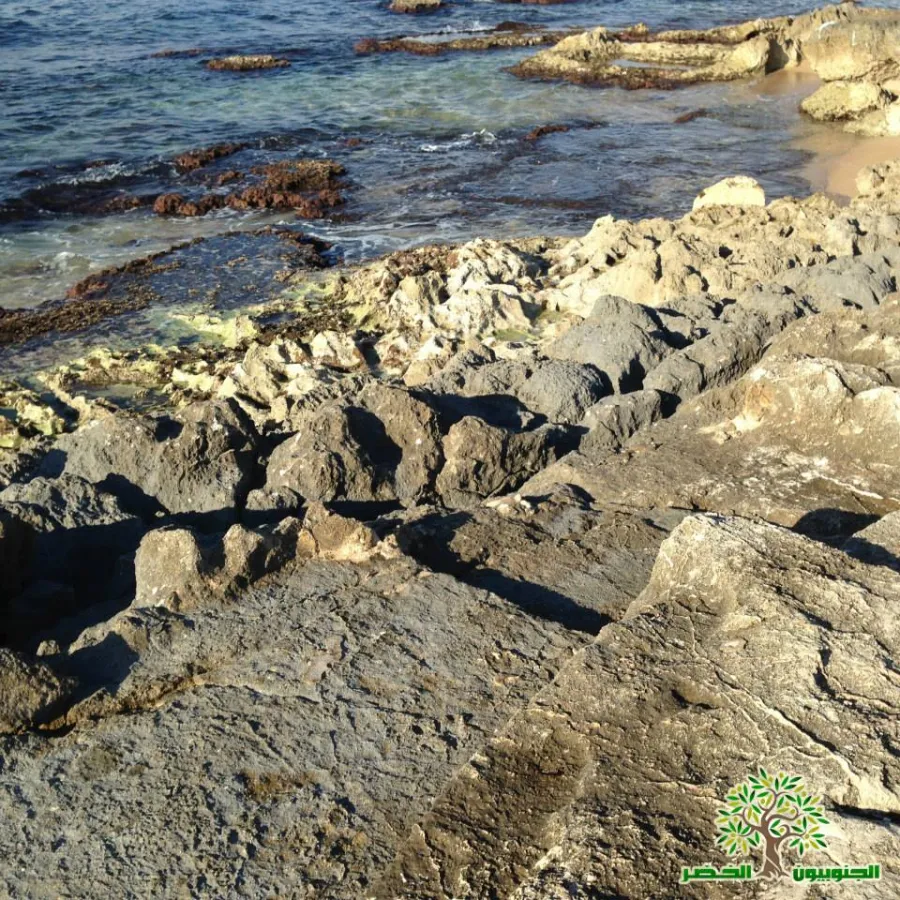
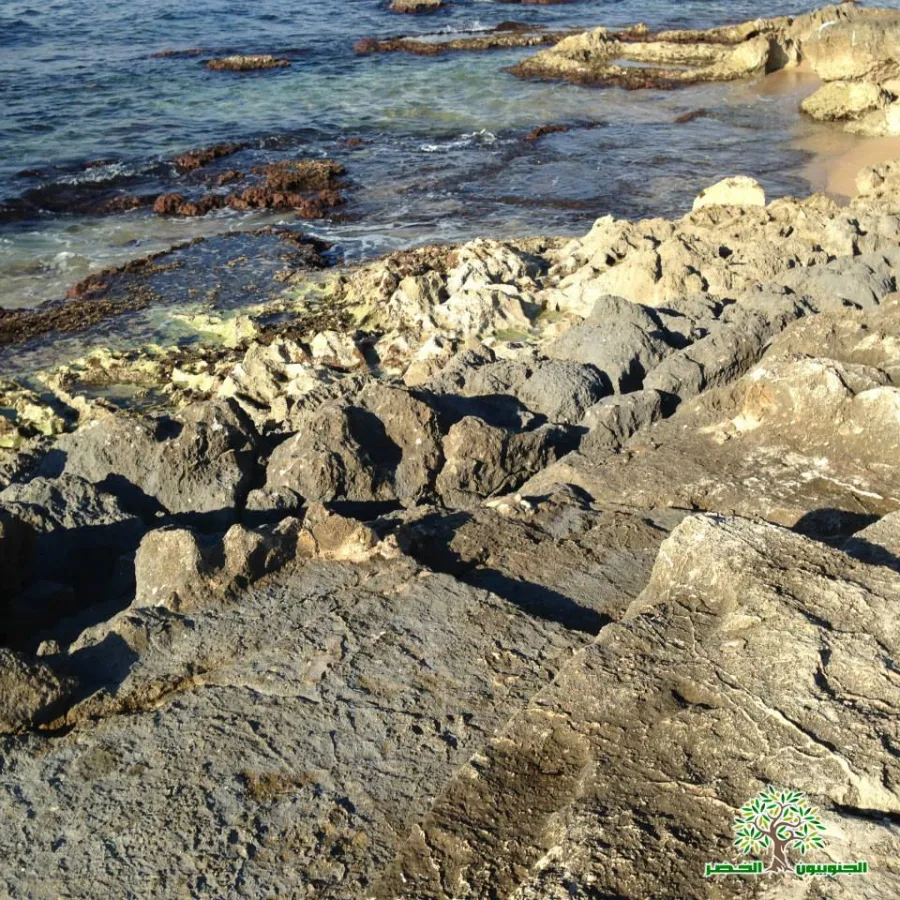
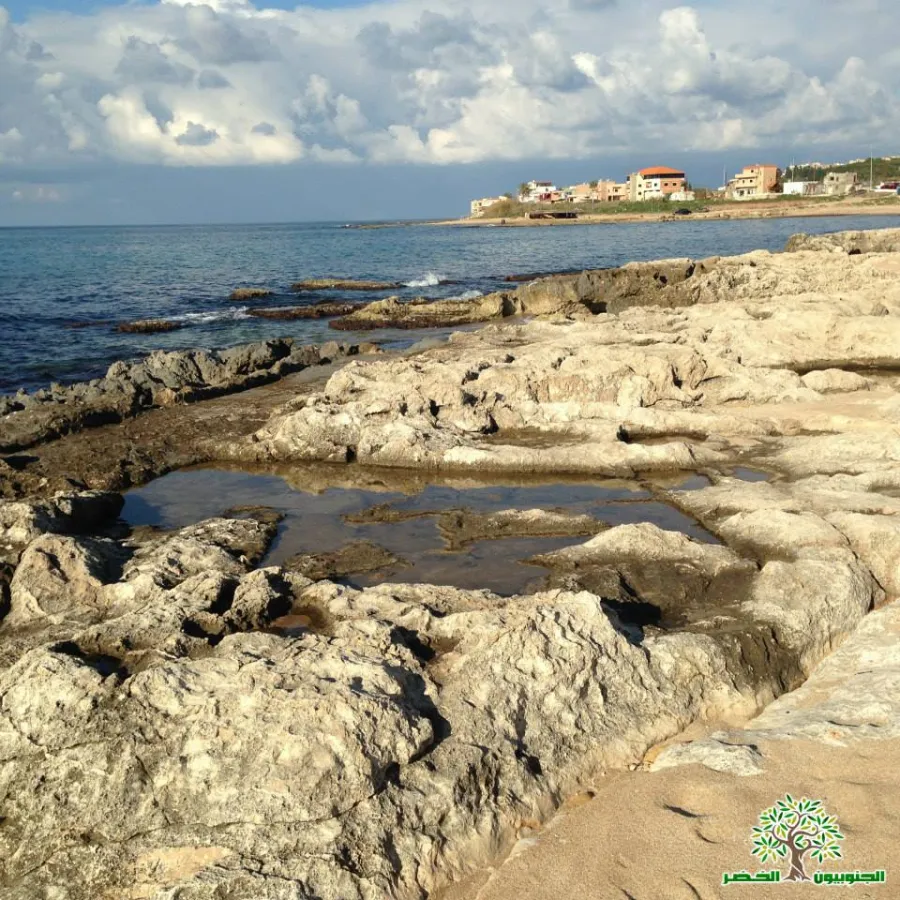
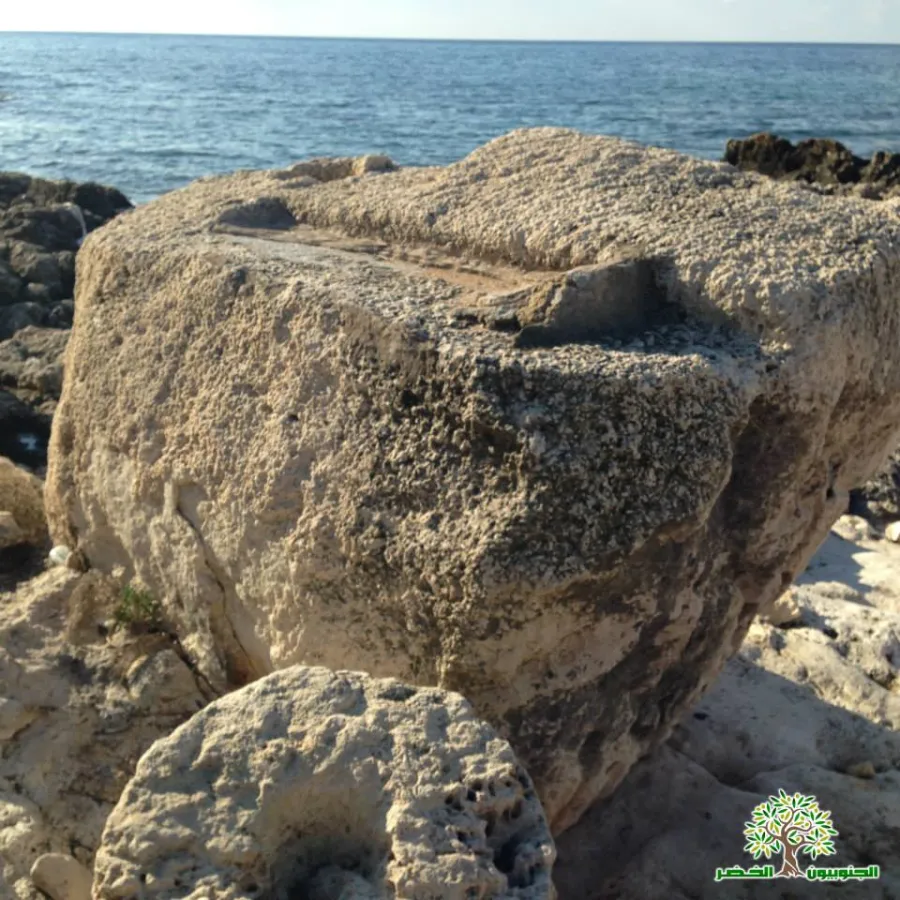
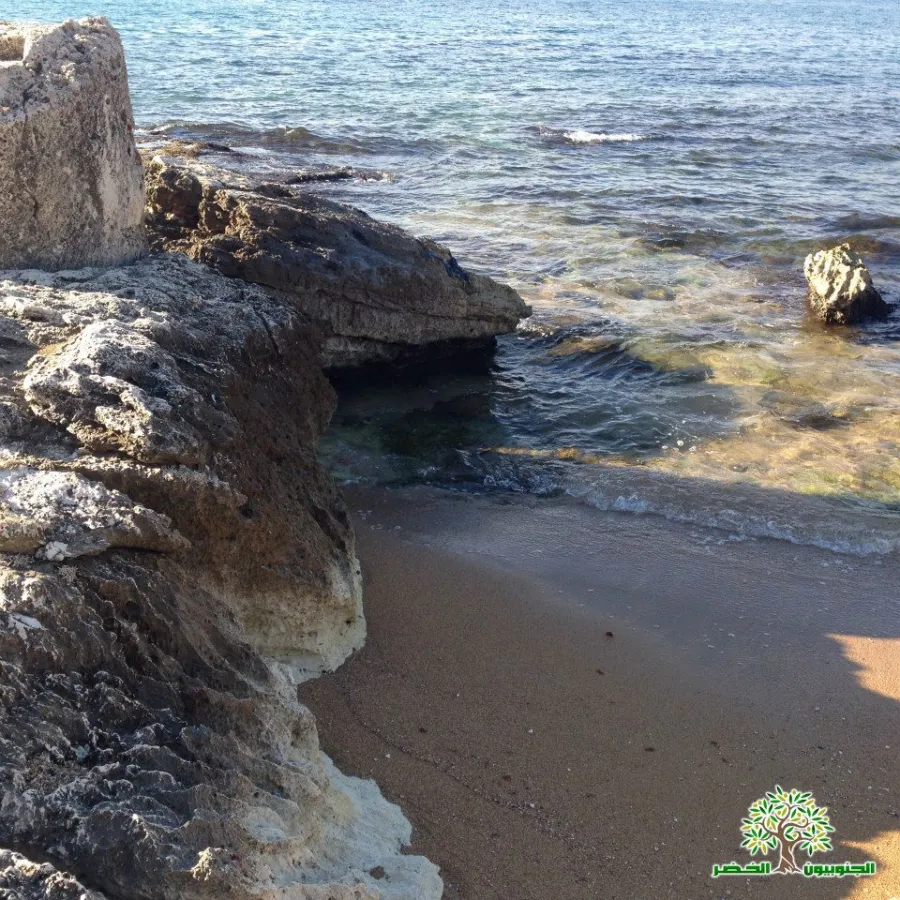
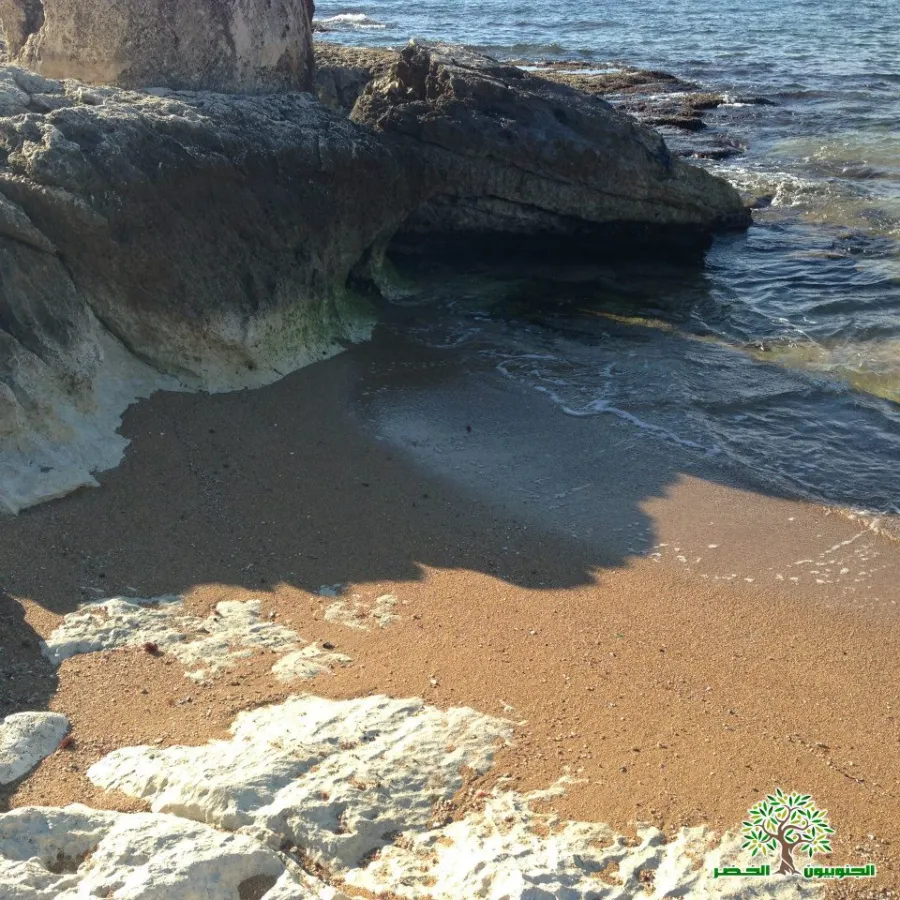
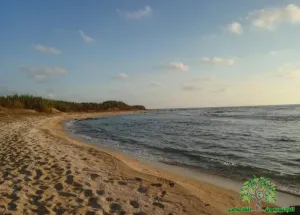
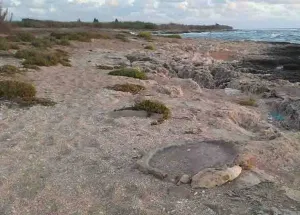
Contributing to this understanding is the fact that water levels in the area have remained relatively stable, which explains the clearly visible ruins, as shown in the images. Part of the site is still buried under adjacent plains, which is advantageous for excavation, since no construction has occurred—except for a café illegally built on one of the supposed port heads.
Visible remains indicate a site of significant importance, including large carved stones with Phoenician and Roman characteristics. According to one expert who visited the site with the Green Southerners, some of these carved stones may be the largest of their kind in southern Lebanon, or at least among the largest discovered there.
Some archaeologists suggest that the local names “Abu Zbel” or “Abu Zbad”, still used by residents to refer to two of the three presumed port heads, may derive from “Boisdon”, the Greek sea god, implying that the ports were active even during the late Roman and early AD periods.
This overview was presented by a delegation from the Green Southerners, led by the association’s president Dr. Hisham Younes, during a meeting with the Municipality of Adloun on December 27, demanding that the area be declared a natural and historical reserve and requesting that the Directorate General of Antiquities conduct a full survey as part of a broader plan. This plan would include rehabilitation of Adloun’s prehistoric caves, long neglected and vulnerable to encroachment, despite being under the jurisdiction of the Directorate of Antiquities.
The Green Southerners emphasized during the meeting that the proposed tourist port project would permanently destroy these historical sites and have serious negative environmental impacts, especially in the absence of a proper feasibility study.
Related Posts
-
 Nature Reserves
 -
 Nature Reserves
 -
-large.webp) Nature Reserves
Nature Reserves