National Petition to Protect the Historic Adloun Beach/Waterfront and Declare It an Environmental and Archaeological Reserve
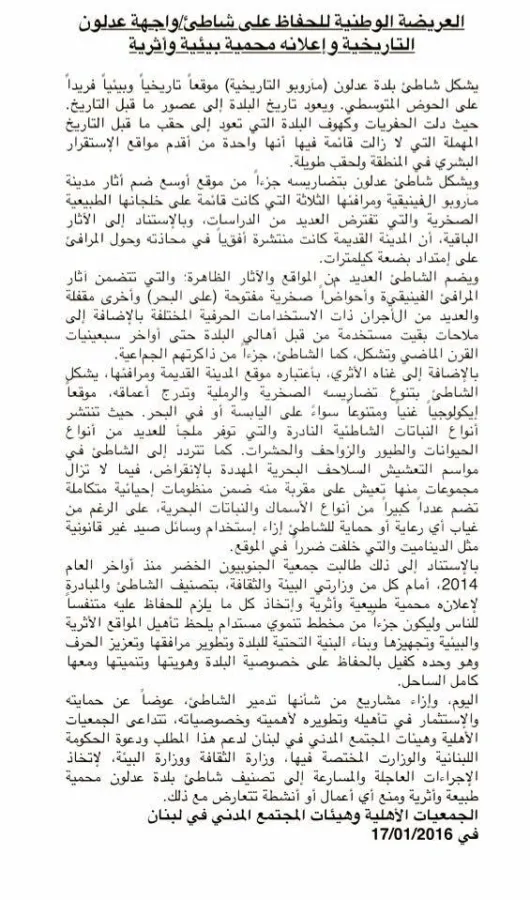
Civil society organisations and NGOs are coming together and calling for participation in signing the national petition to protect the historic beach/waterfront of Adloun and to declare it an environmental and archaeological reserve.
Associations, institutions, and organisations wishing to participate are invited to comment by listing the name of the association, institution, or body, along with the representative capacity of the signatory (member, board member, etc.).
Text:
The beach of the town of Adloun (historical Maroubou) constitutes a unique historical and environmental site within the Mediterranean basin. The town’s history dates back to prehistoric times. Excavations and the town’s caves—dating to neglected prehistoric periods and still standing today indicate that it is among the oldest sites of human settlement in the region over long periods.
With its terrain, Adloun’s beach forms part of a broader site that includes the remains of the Phoenician city of Maroubou and its three ports, which once existed along its natural rocky coves. Numerous studies, based on the remaining archaeological evidence, suggest that the ancient city extended horizontally along the coast and around the ports over several kilometers.
The beach contains many visible sites and archaeological remains, including traces of the Phoenician ports, open rock basins (facing the sea) and enclosed ones, as well as numerous rock-cut basins used for various artisanal purposes. It also includes salt pans that remained in use by the town’s residents until the late 1970s and that, like the beach itself, form part of their collective memory.
In addition to its archaeological richness, as the site of the ancient city and its ports, the beach, with its varied rocky and sandy terrain and graduated depths, constitutes a rich and diverse ecological site, both on land and at sea. Rare coastal plant species are found there, providing shelter for many types of animals, birds, reptiles, and insects. Endangered marine turtles visit the beach during nesting seasons, and groups of turtles still live nearby within integrated ecosystems that include a large number of fish species and marine plants, despite the absence of any care or protection for the beach and the use of illegal fishing methods such as dynamite, which have caused damage to the site.
On this basis, the Green Southerners organisation has, since late 2014, called upon both the Ministry of Environment and the Ministry of Culture to classify the beach and to initiate its declaration as a natural and archaeological reserve, and to take all necessary measures to preserve it as a public space for people. This would allow it to become part of a sustainable development plan that includes rehabilitating archaeological and environmental sites, equipping them, building the town’s infrastructure, developing its facilities, and strengthening traditional crafts—measures that alone can preserve the town’s uniqueness and identity and foster its development, along with that of the entire coast.
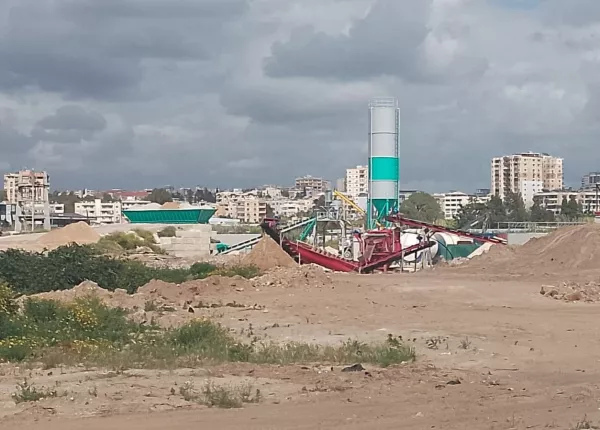
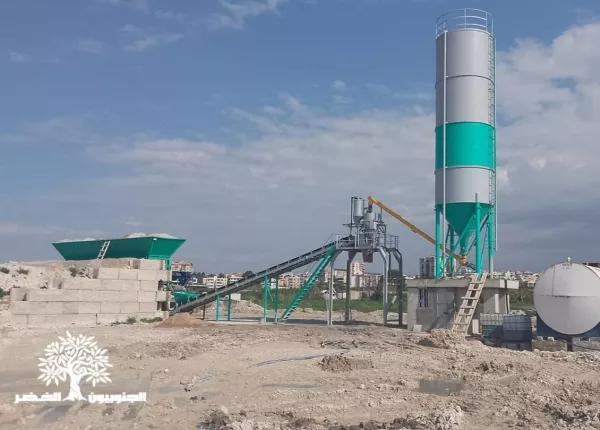
Today, in the face of projects that would destroy the beach rather than protect it and invest in its rehabilitation and development, despite its importance and distinctive characteristics, civil society organisations and NGOs in Lebanon are mobilising to support this demand. They call on the Lebanese government and the relevant ministries, namely the Ministry of Culture and the Ministry of Environment, to take urgent action, swiftly classify the beach of Adloun as a natural and archaeological reserve, and prevent any works or activities that contradict this designation.
Civil society organisations and NGOs in Lebanon
Related Posts
-
 The Shawakeer Case