Farmers Support and Olive Groves Recovery Project in Border Villages of Southern Lebanon
Farmers Support and Olive Groves Recovery Project in Border Villages of Southern Lebanon (2025)
Implemented by: Green Southerners Organisation
Donors: Lebanese diaspora in Switzerland
Introduction and Context
The Farmers Support and Olive Groves Recovery Project in Border Villages of Southern Lebanon was launched in response to the severe environmental and agricultural damage caused by repeated Israeli attacks since October 2023, including the widespread use of white phosphorus, which resulted in extensive fires, destruction of olive trees down to root level, and contamination of soil and water.
Olive cultivation represents a cornerstone of food security, rural livelihoods, and agricultural heritage in southern Lebanon, particularly in border villages. The destruction of olive groves deprived many families of their primary source of income at a time when no organised recovery support was available. Economic pressure increased, agricultural land was degraded, and many farmers were unable to resume production.
The project adopts an integrated approach that links livelihood support with ecological recovery. It seeks to rehabilitate damaged agricultural land, restore productive capacity, and strengthen farmer resilience in one of the most environmentally and socially affected regions of the country.
Objectives
The project aims to support affected farmers through the recovery of damaged olive groves and the restoration of agricultural productivity. It focuses on re-establishing olive cultivation as a stable source of income, reducing land abandonment, and supporting the safe return of displaced farmers to their lands. The project also promotes environmentally responsible recovery practices that protect soil health and agricultural biodiversity.
Study Area and Beneficiaries
The intervention targets border villages in southern Lebanon that experienced direct damage to olive groves due to fires, shelling, soil contamination, and prolonged access restrictions. Priority is given to small-scale farmers whose livelihoods depend primarily on olive production and who lack the resources required for independent recovery.
Assessment and Preparation Phase
Between 20 November and 20 December 2025, Green Southerners conducted a structured field-based assessment phase. This included the identification and registration of resident farmers and returning farmers, verification of land ownership or legitimate land use, and on-site inspections of damaged olive groves.
The assessment focused on documenting burned and destroyed trees, estimating affected surface areas, and evaluating soil conditions in plots exposed to fire, white phosphorus residues, or other contaminants. This process ensured that support was directed to the most affected farmers and to plots suitable for immediate recovery.
Planting Material and Ecological Considerations
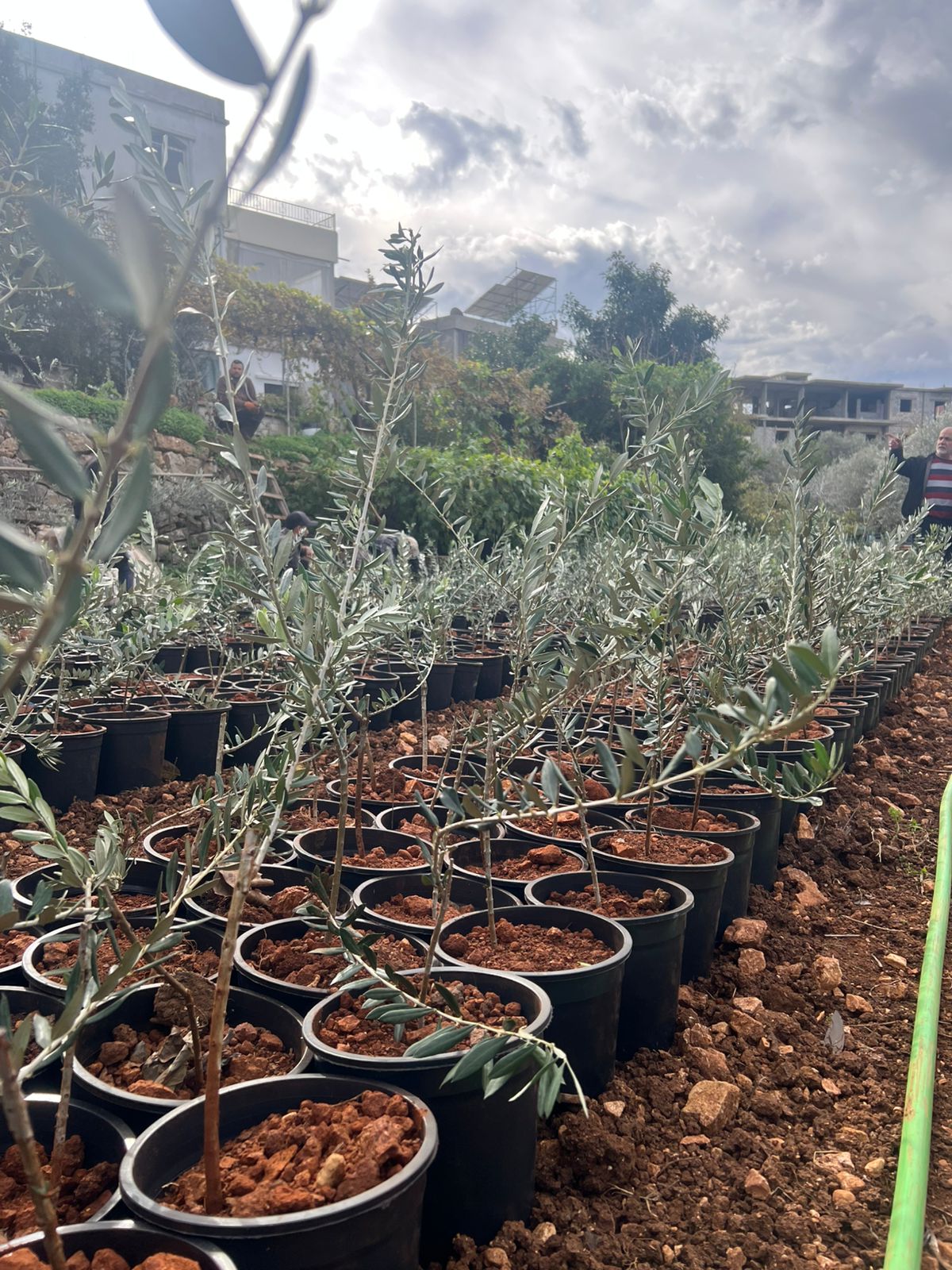
The project prioritised the use of local olive varieties, specifically the Soury olive (Olea europaea L. var. Souri), a traditional cultivar associated with the Tyre region. This variety is well adapted to local climatic conditions, demonstrates high drought tolerance, and produces high-quality olive oil.
Using locally adapted planting material reduces ecological stress, improves survival rates, and preserves agricultural biodiversity linked to the traditional landscape of southern Lebanon.
Verification and Distribution
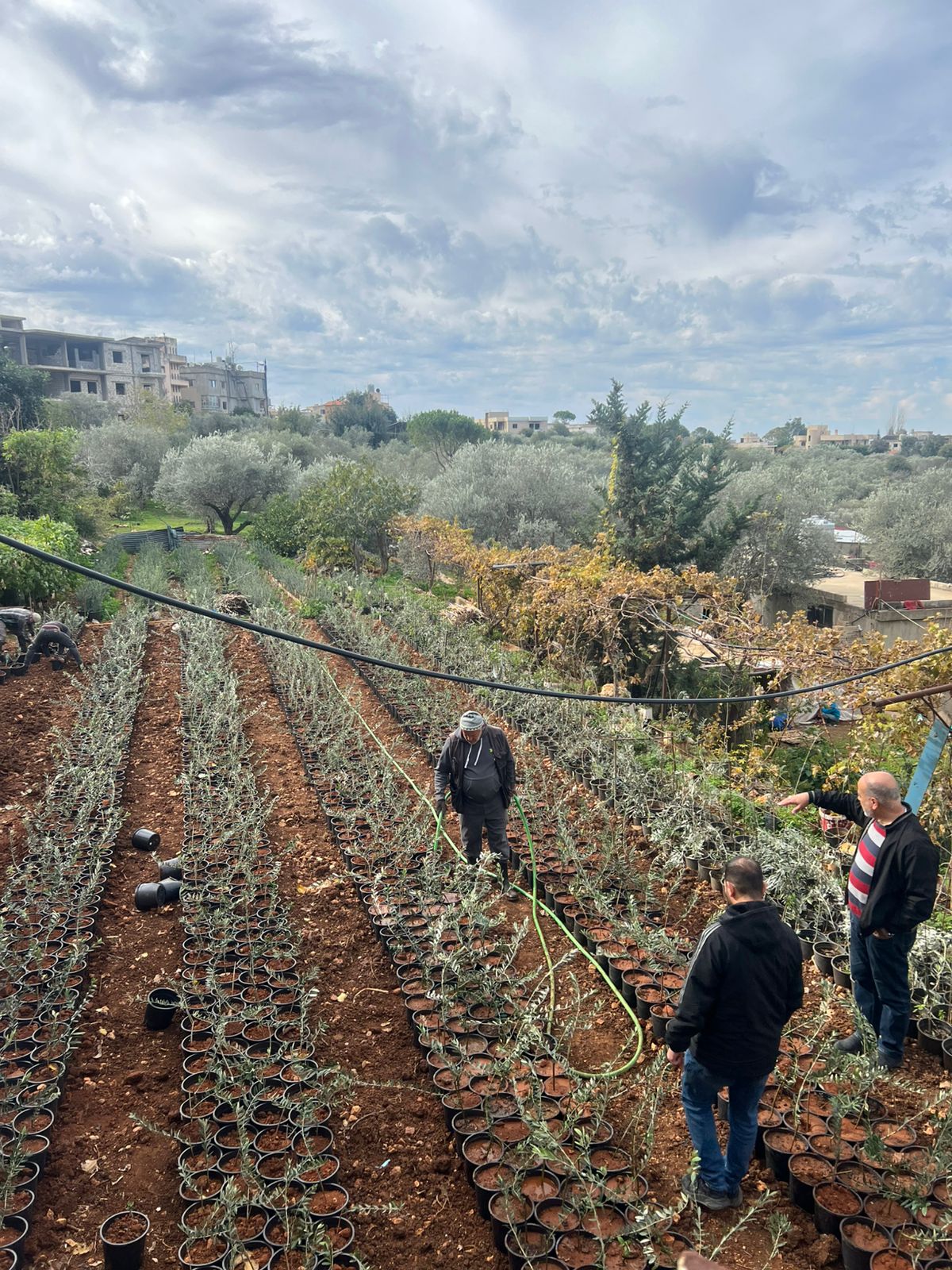
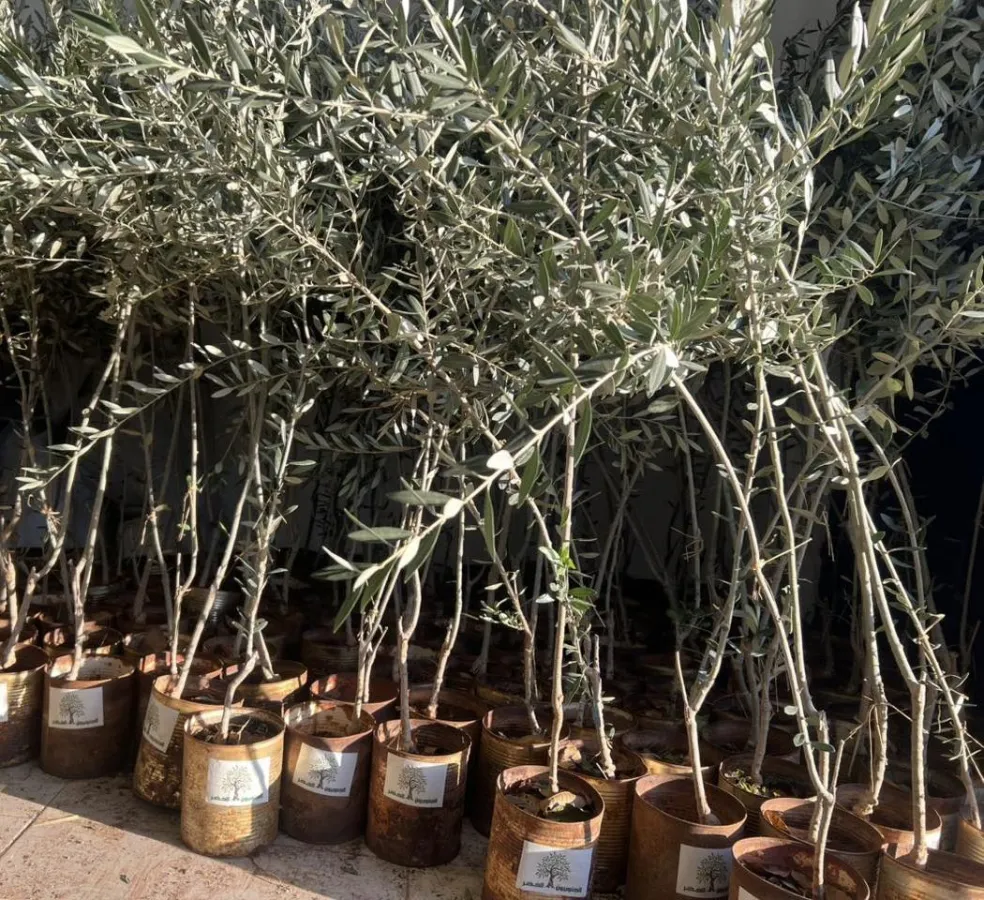
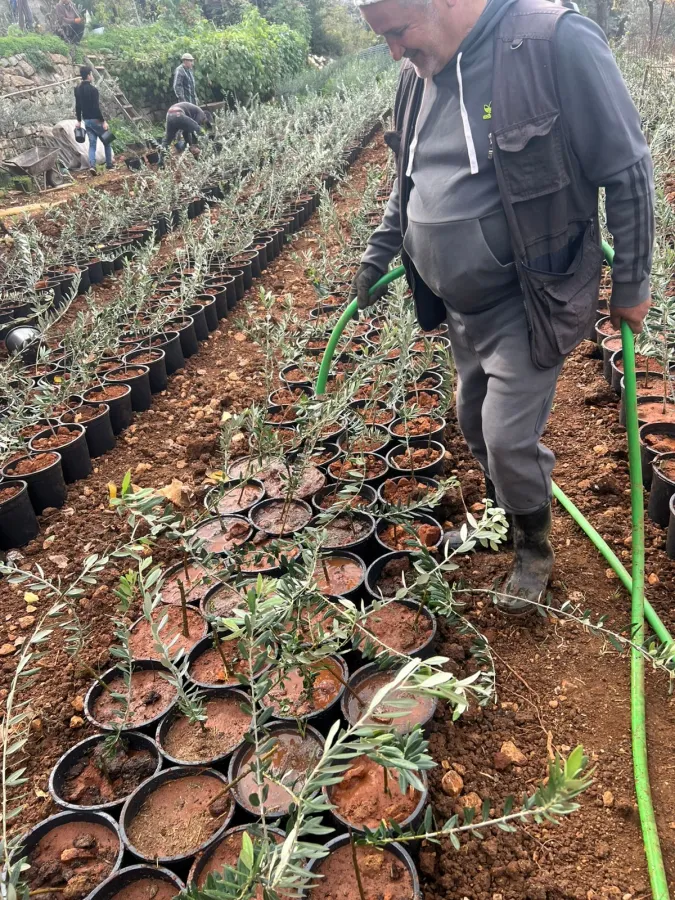
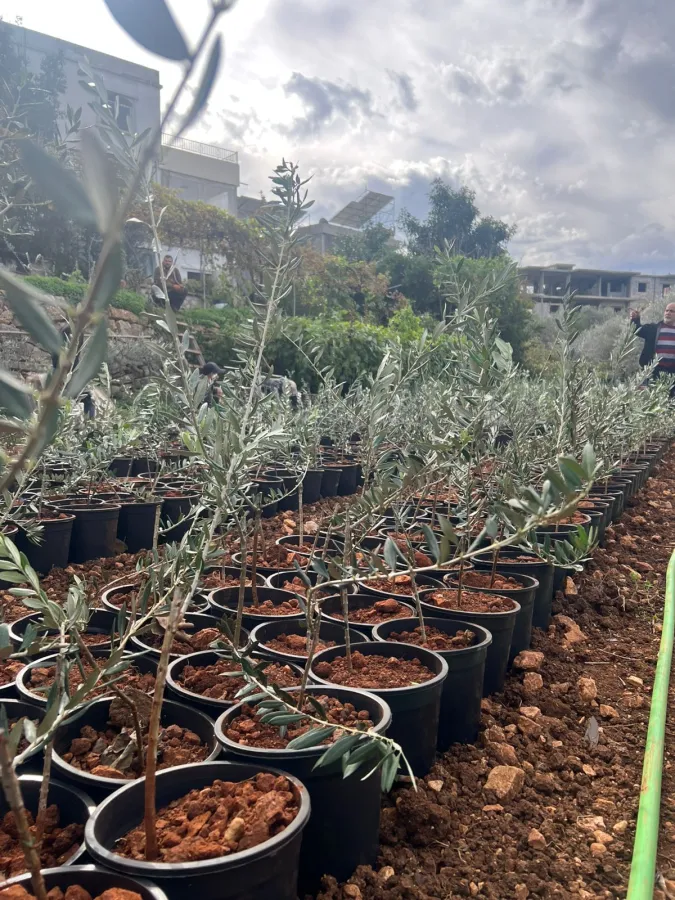
On 20 December 2025, the association’s delegated agricultural engineer inspected and verified the health and quality of the planting material. A total of 610 mature olive saplings, aged 7–8 years, were approved for distribution.
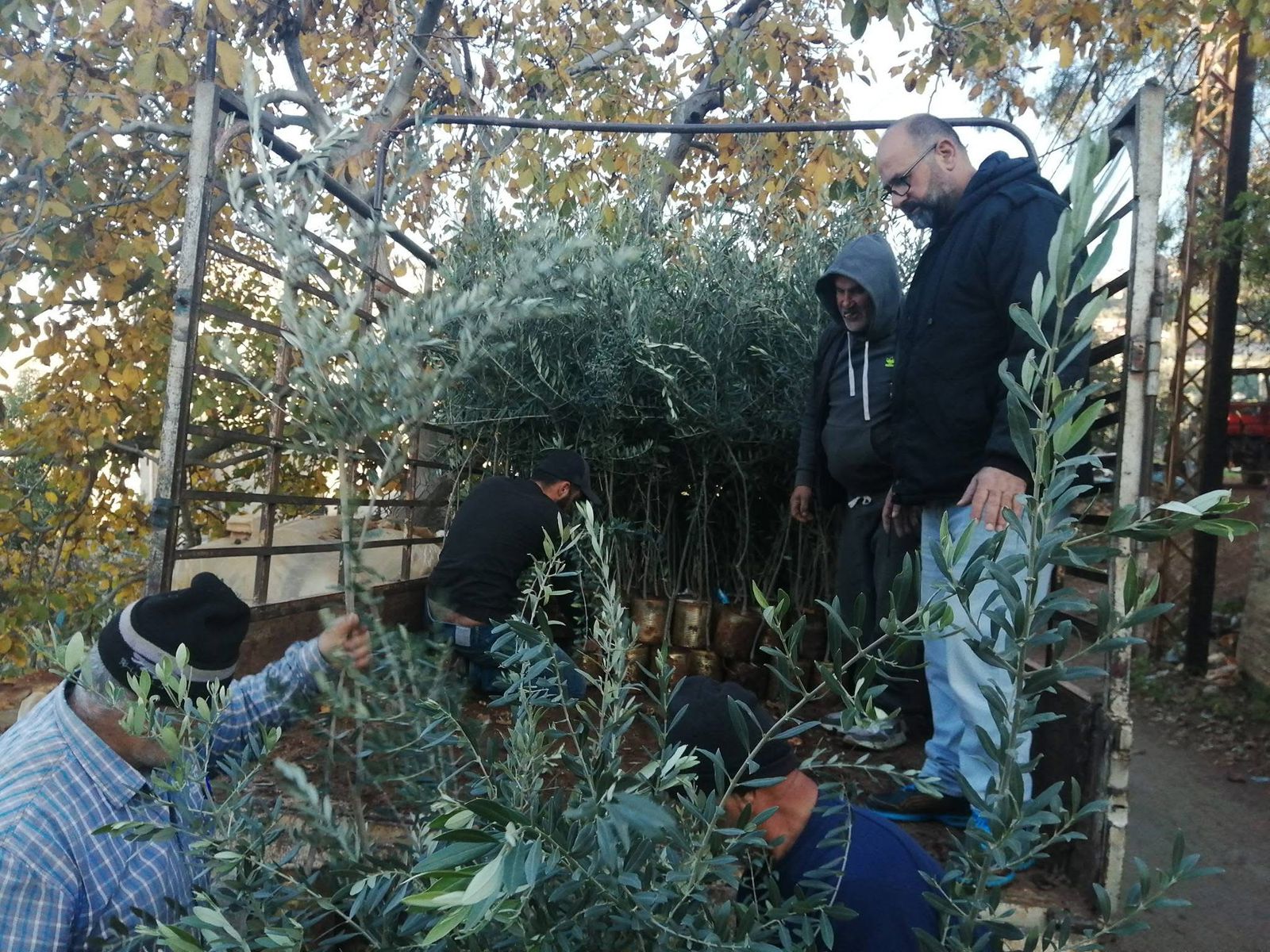
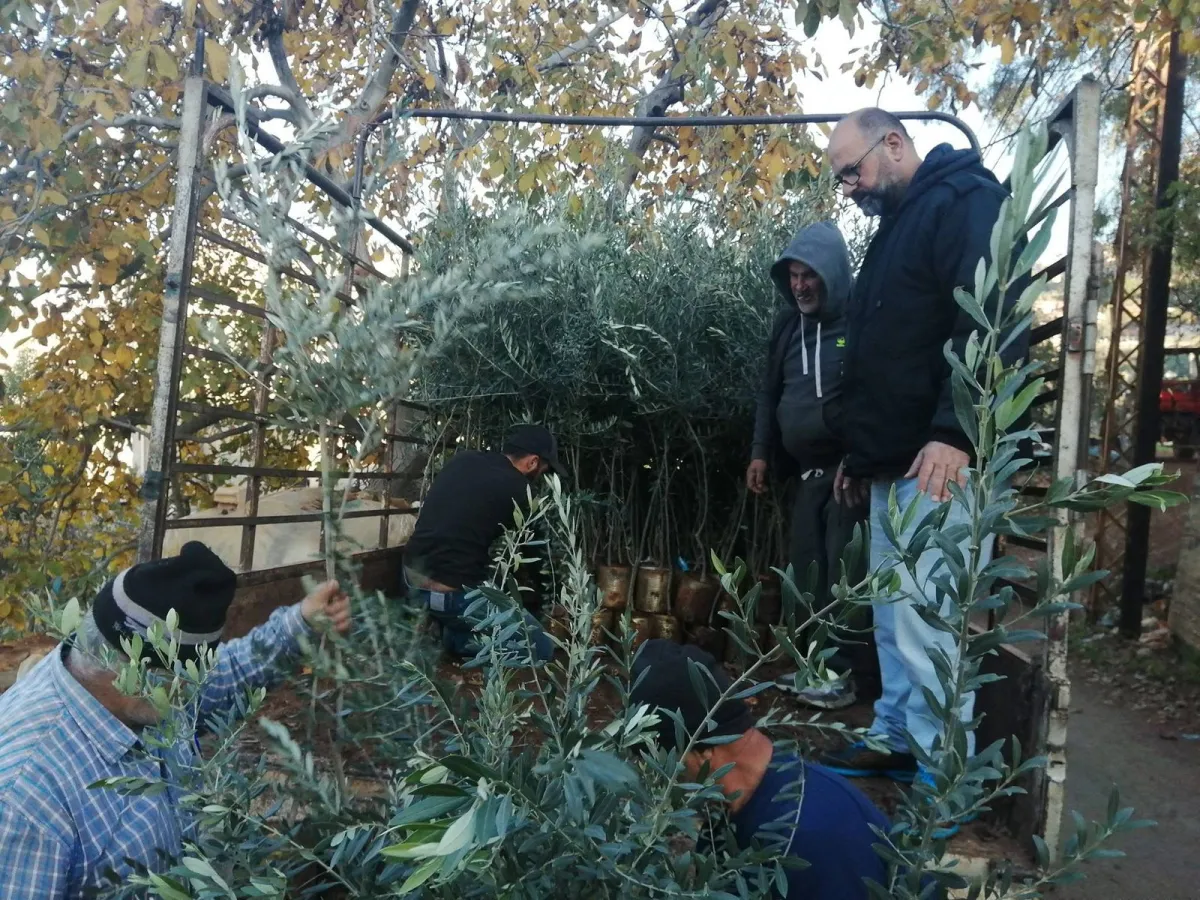
On 25 December 2025, the saplings were transported to Aita al-Shaab, and on the morning of 26 December 2025, distribution was carried out in coordination with Aita al-Shaab Municipality.
Implementation Approach
Project implementation relied on direct engagement with farmers, coordination with local authorities, and field-based decision-making. Planting sites were selected following basic environmental screening to avoid plots unsuitable for immediate recovery due to severe contamination or soil instability.
The project avoided intensive chemical inputs and promoted low-impact agricultural practices aligned with soil conservation and long-term sustainability.
Timeline
The project followed a defined implementation cycle. The assessment and registration phase took place from late November to mid-December 2025. Verification of planting material occurred on 20 December, followed by transportation on 25 December and distribution on 26 December. Post-distribution guidance and follow-up form part of the implementation process.
Expected Outcomes
The project is expected to restore olive production in damaged plots, provide farmers with immediate productive assets, and support income recovery. It contributes to stabilising rural livelihoods, reducing land abandonment, and reinforcing resilience in border communities. Environmentally, it supports soil recovery and the re-establishment of traditional agro-ecosystems.
Challenges
Some plots remain partially contaminated and require longer recovery periods. Farmers continue to face economic hardship linked to insecurity and restricted access. Logistics in border areas require careful coordination, and newly planted saplings require monitoring during the initial establishment phase to ensure long-term survival.
Conclusion
The Farmers Support and Olive Groves Recovery Project reflects Green Southerners’ commitment to linking environmental restoration with social and economic recovery. By restoring olive groves using locally adapted varieties and community-based approaches, the project contributes to rebuilding livelihoods while safeguarding the agricultural landscape of southern Lebanon.
-large.webp)
-large.webp)
-large.webp)
-large.webp)
-large.webp)
-large.webp)
-large.webp)
-large.webp)
-large.webp)
-large.webp)
-large.webp)
-large.webp)
-large.webp)
-large.webp)
Related Posts
-
 Rescue and Rehabilitation
 -
 Rescue and Rehabilitation
 -
 Rescue and Rehabilitation